Mango processing trial in Senegal
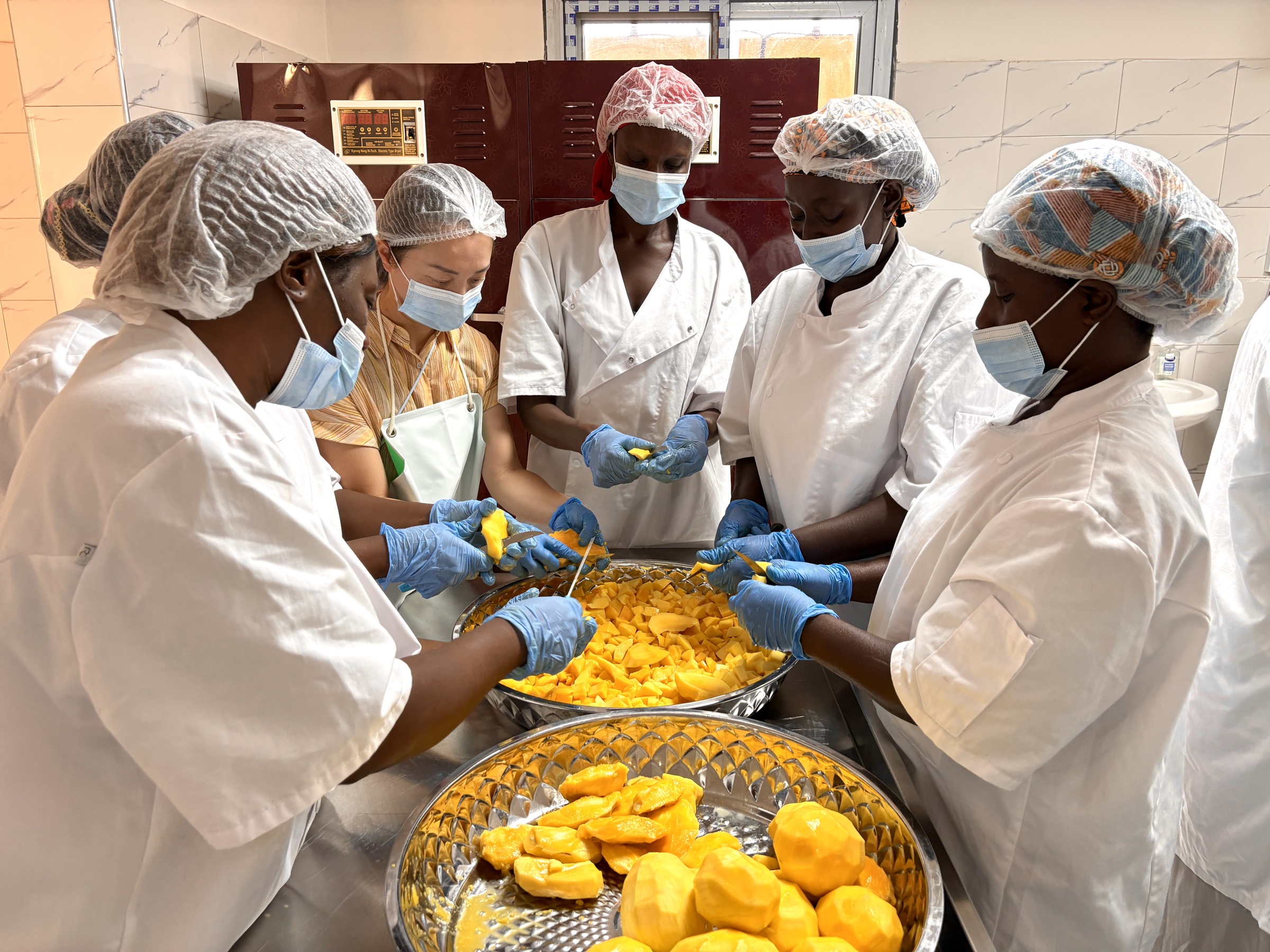
A mango processing trial was carried out in Sandiara, Senegal. This report is based on the field report of 30 September 2026. Mangoes bought at the market were washed, stored in a solar cold room and processed into purée at the workshop of the women’s group GIE DIAMI SANDIARA. The whole chain was run from start to finish.
1. Buying
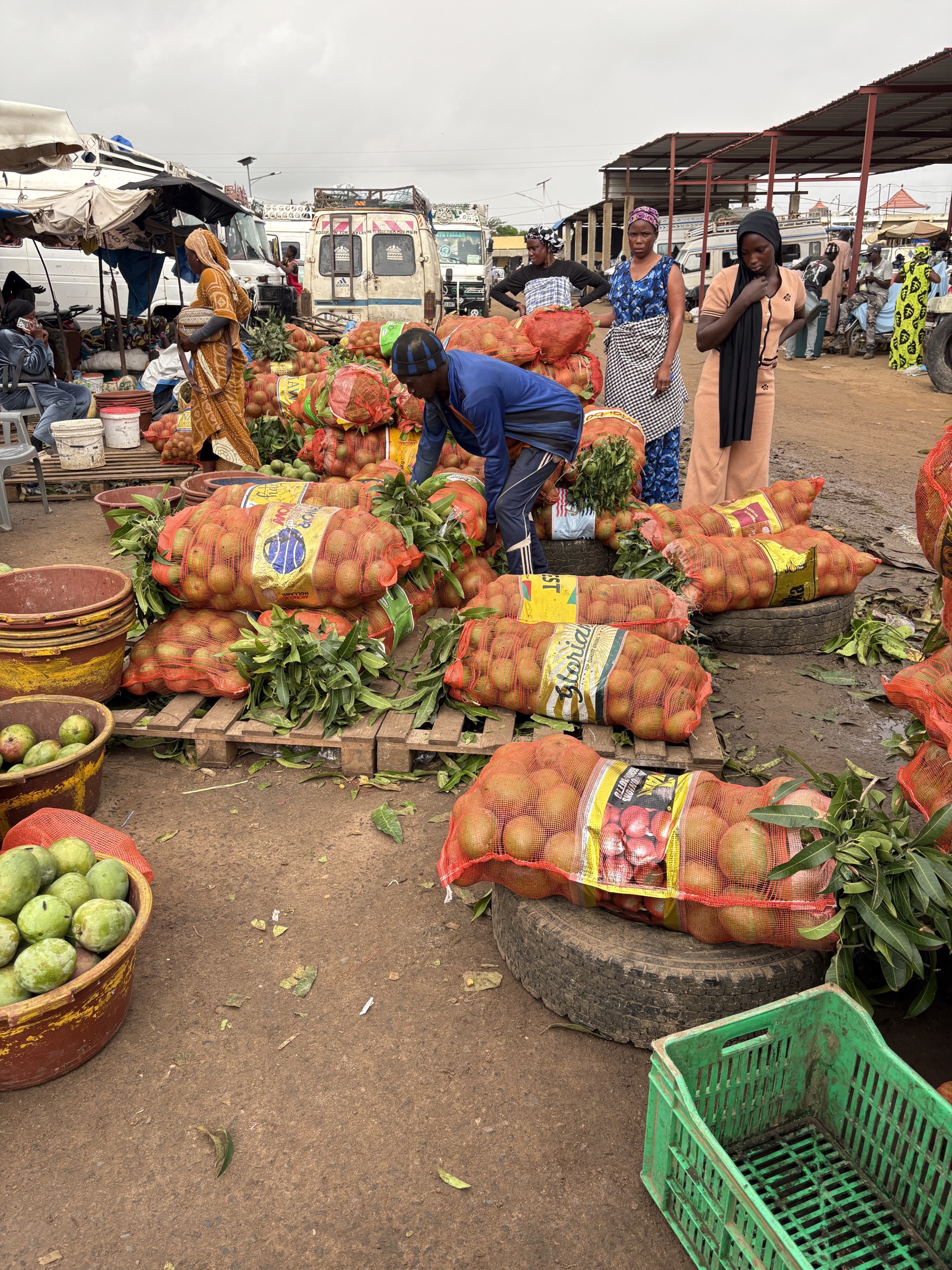
The mangoes are bought at a market about 80 km northeast of Dakar. Farmers harvest them, and wholesalers bring them to the market.
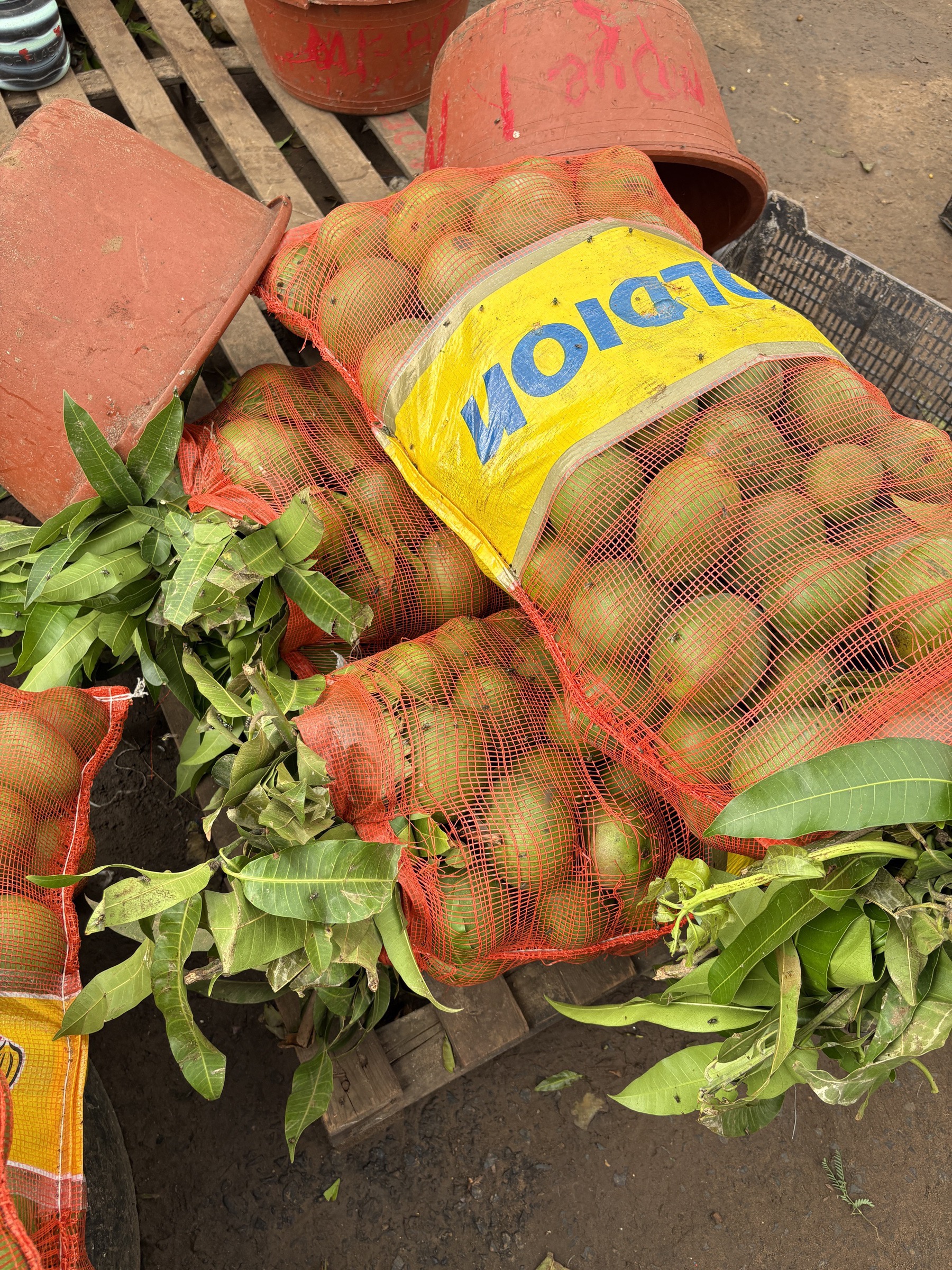
They are shipped in reused onion sacks. One sack weighs about 50 kg.
2. Washing and storage
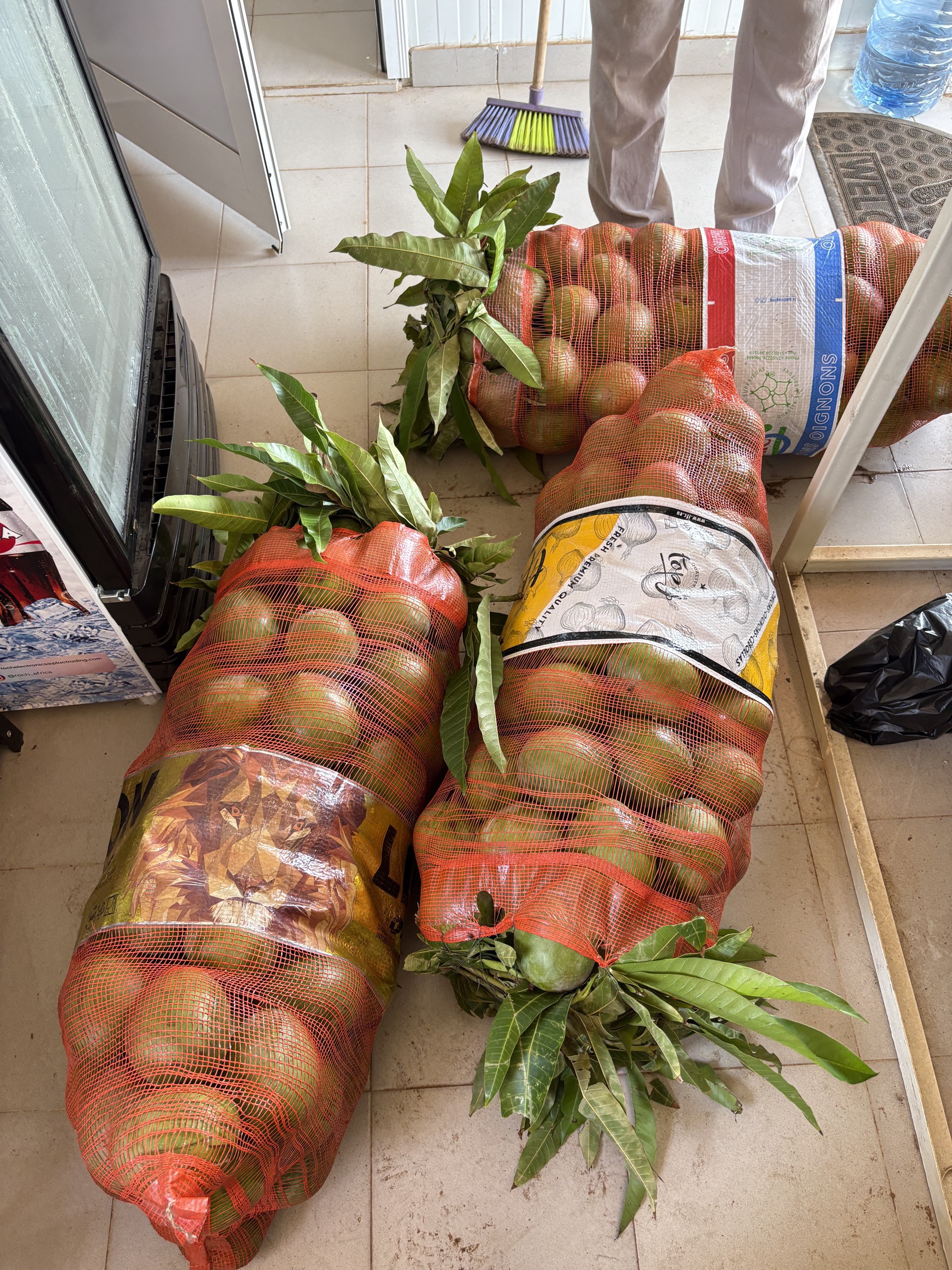
The mangoes arrive dirty. They cannot go into the store as they are.
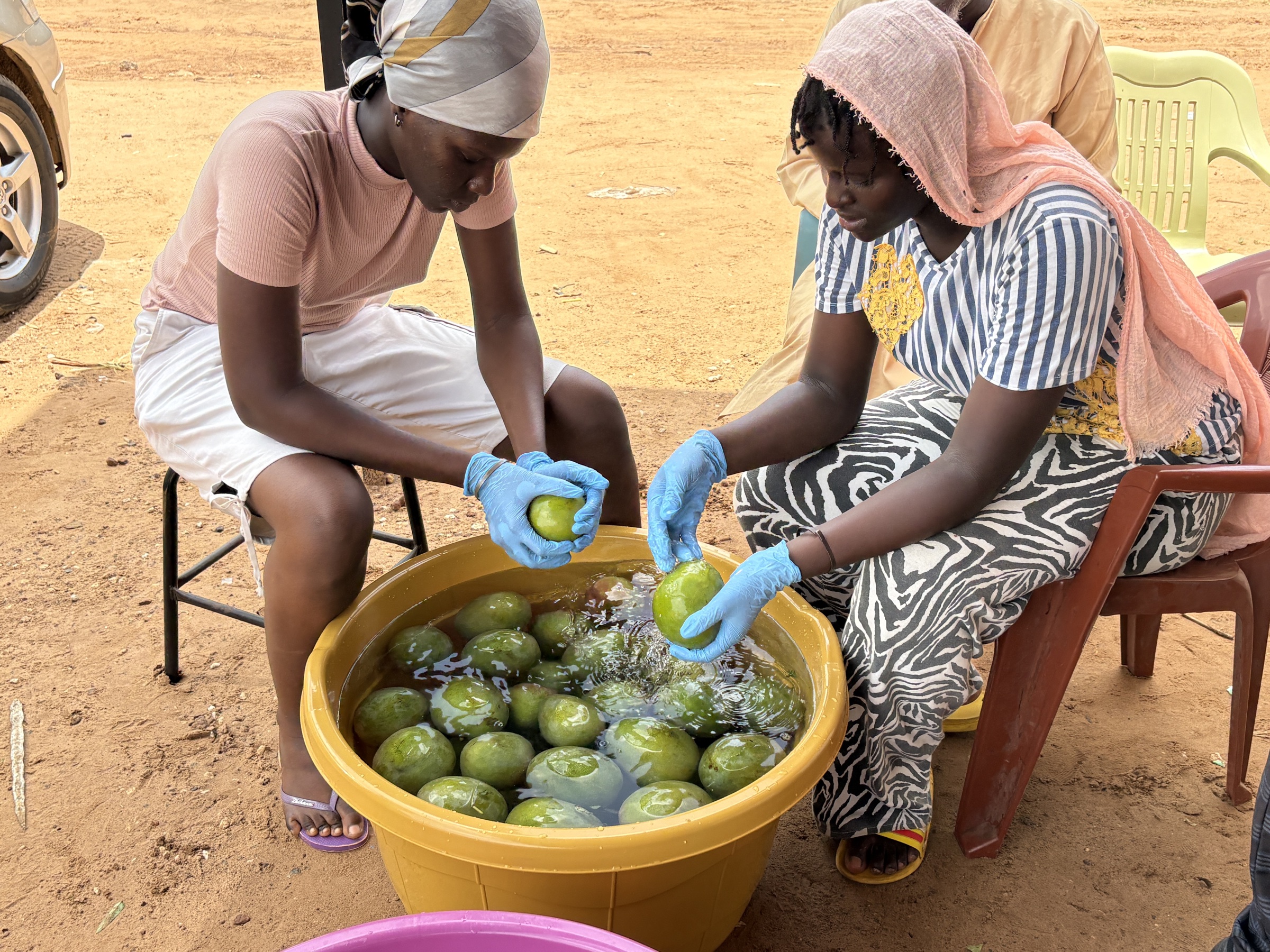
Washing is done by women from the village. For 200 to 500 kg, it takes half a day.
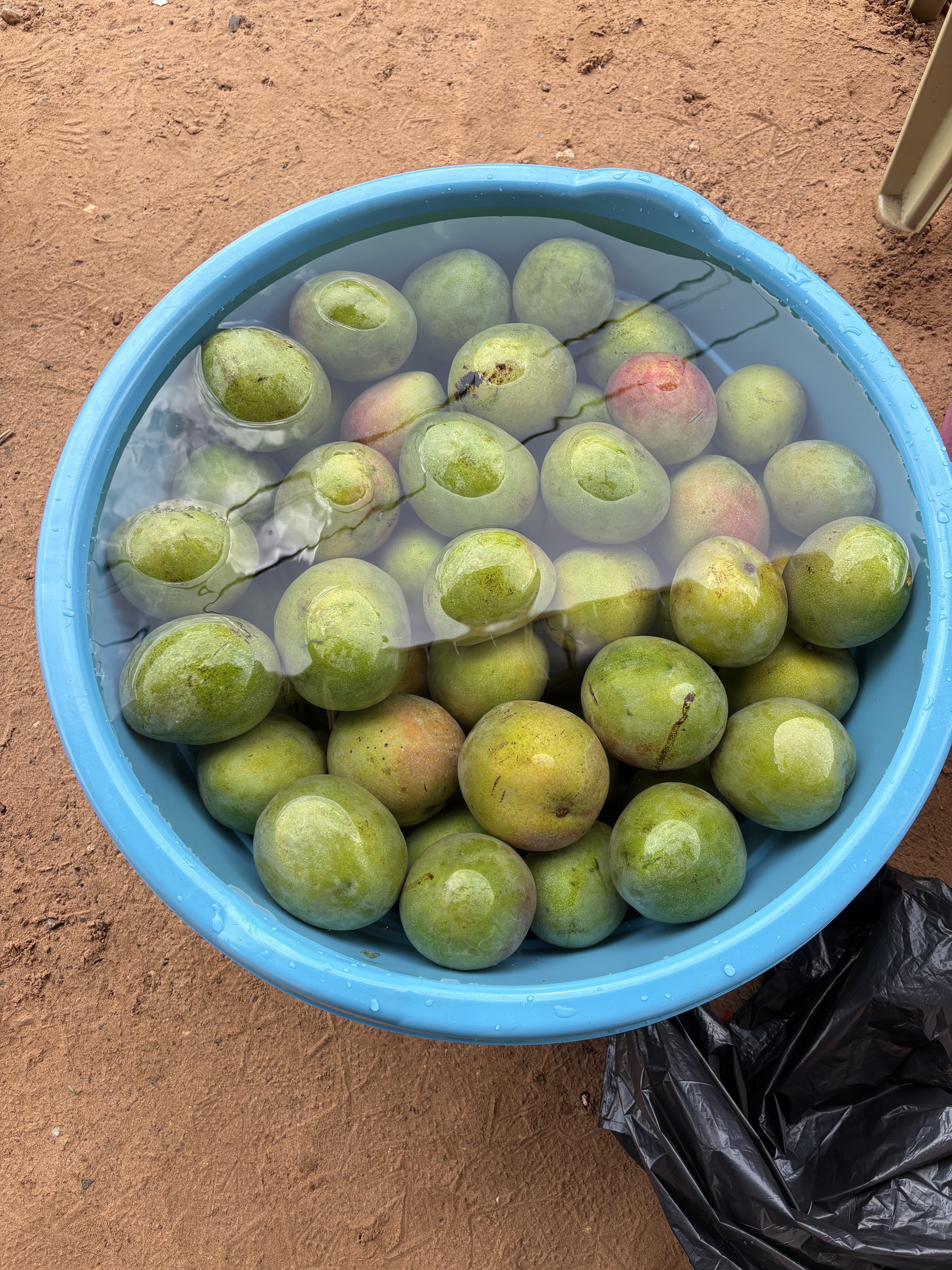
The mangoes are washed in hypochlorite water so that they keep for a long time in storage.
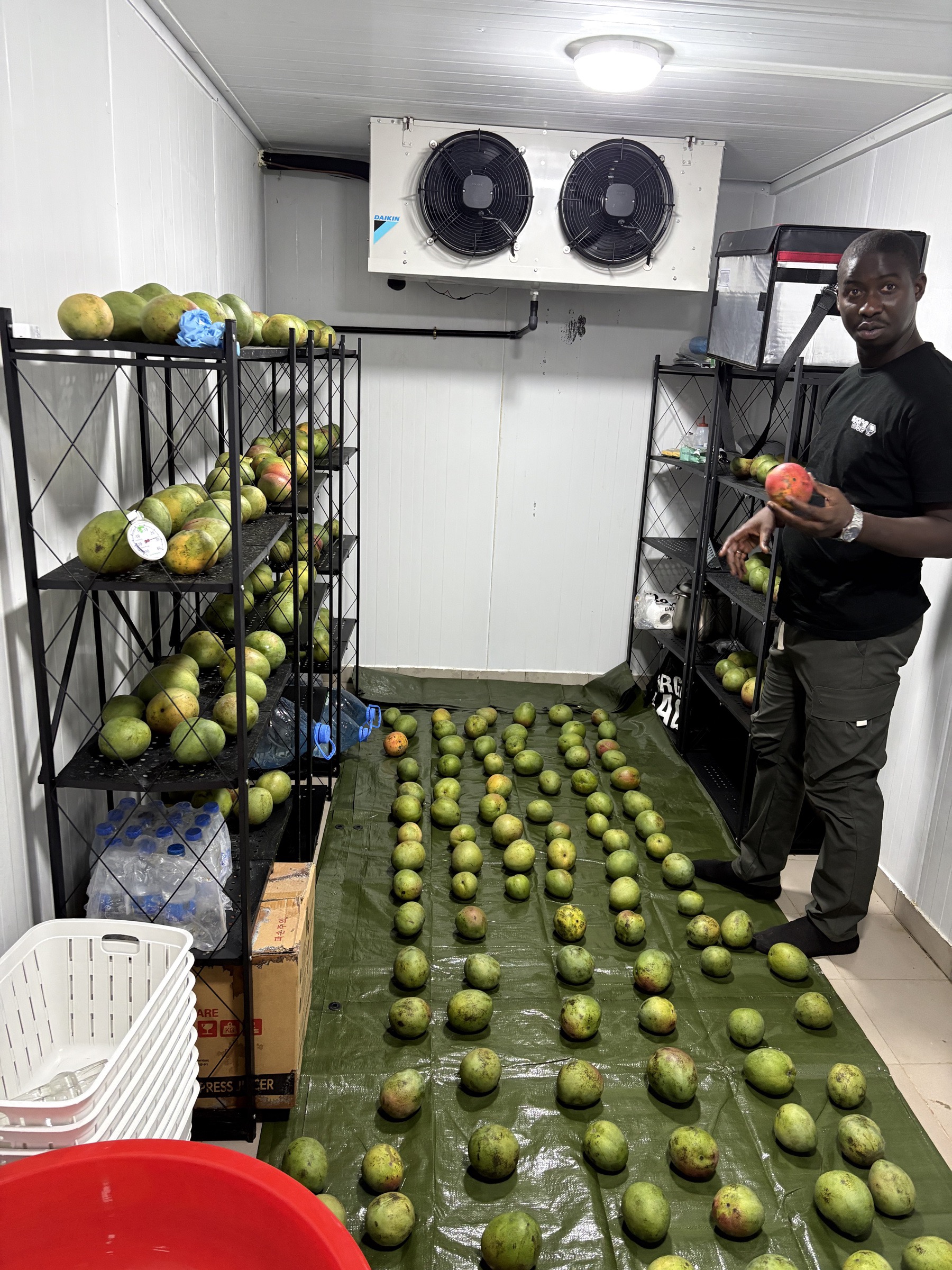
They are stored in the solar cold room next to the digital KIOSK in Sandiara. The temperature can be set between 0 and 15 °C. Sorting is done there by ripeness, size and bruising.
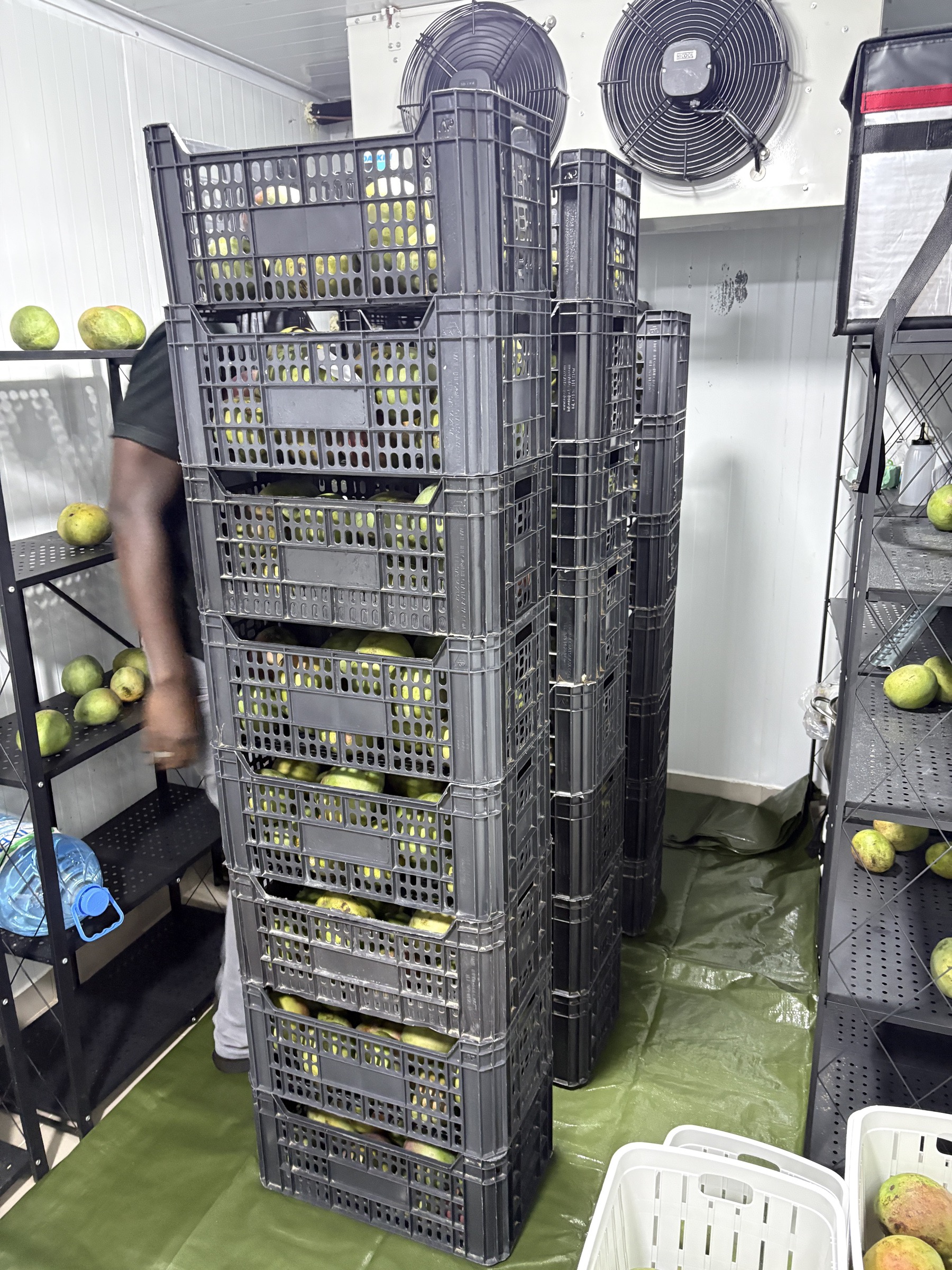
The sorted mangoes are kept in crates. The ripe ones go to the women’s group’s workshop.
3. Processing
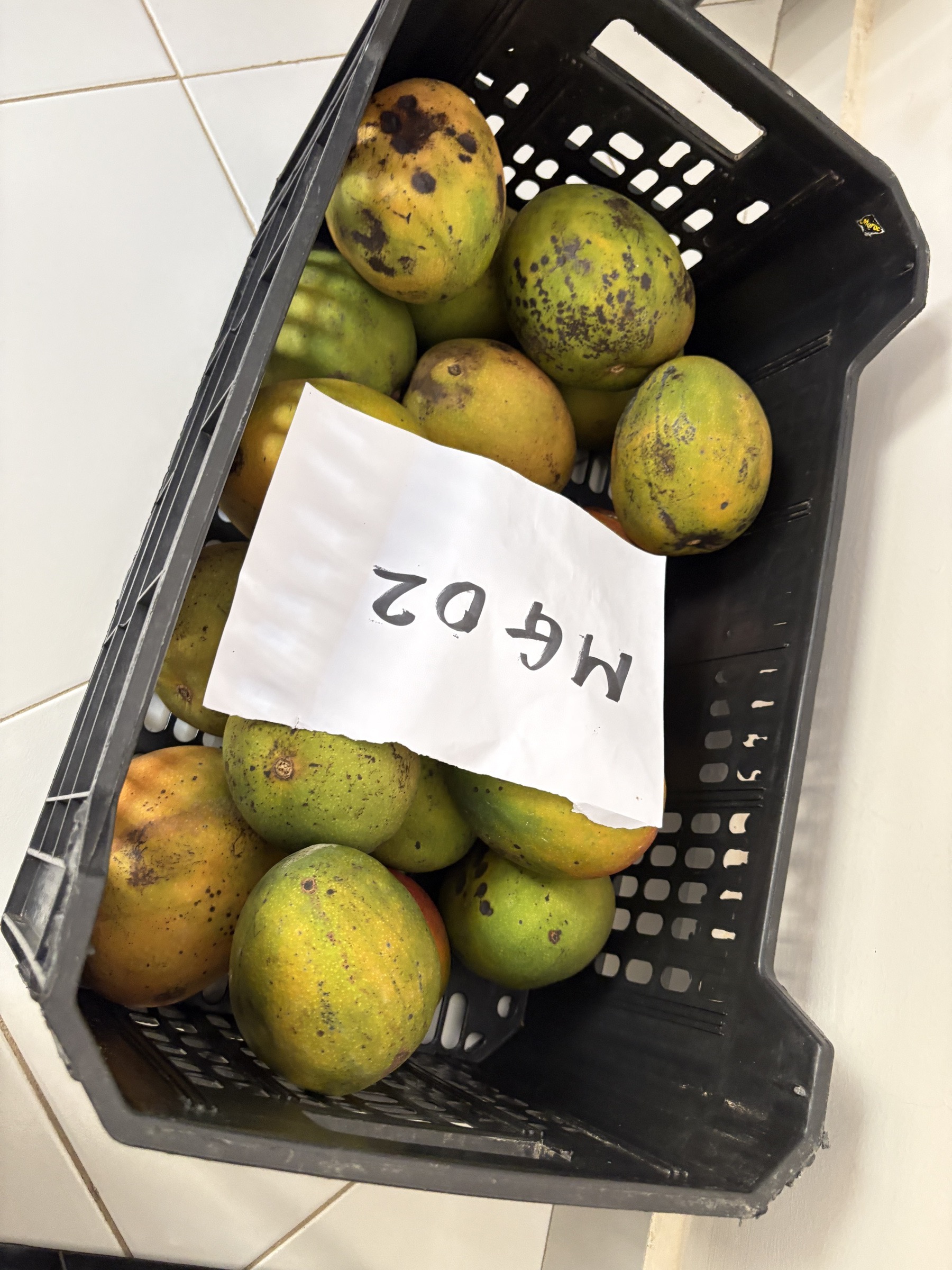
At the workshop, each lot is weighed and the day’s processed quantity is recorded.
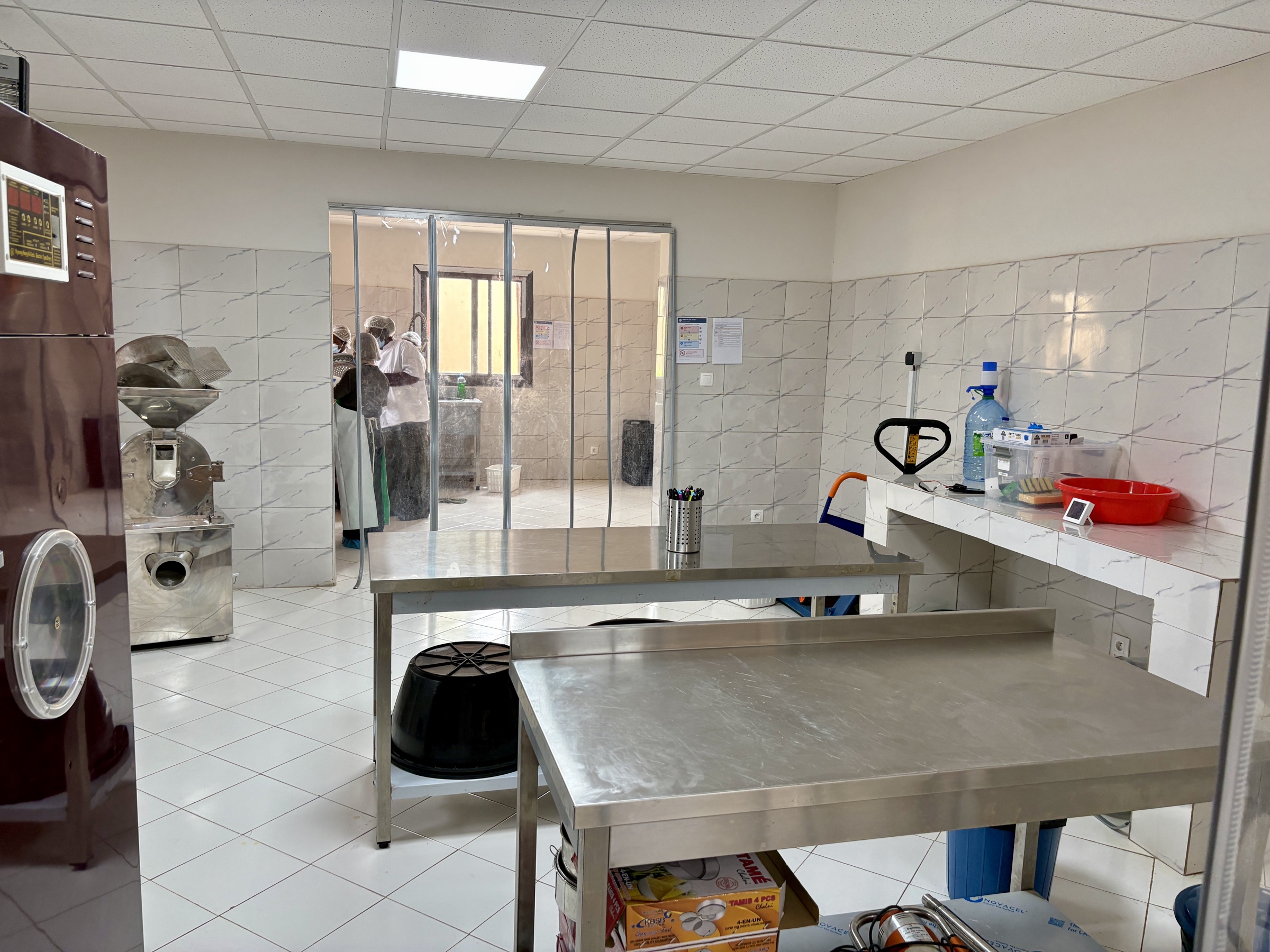
The workshop belongs to the women’s group GIE DIAMI SANDIARA. The group regularly processes food here and sells it locally.
The women peel the mangoes with practised hands. Training in hygiene and processing was given before the work began.
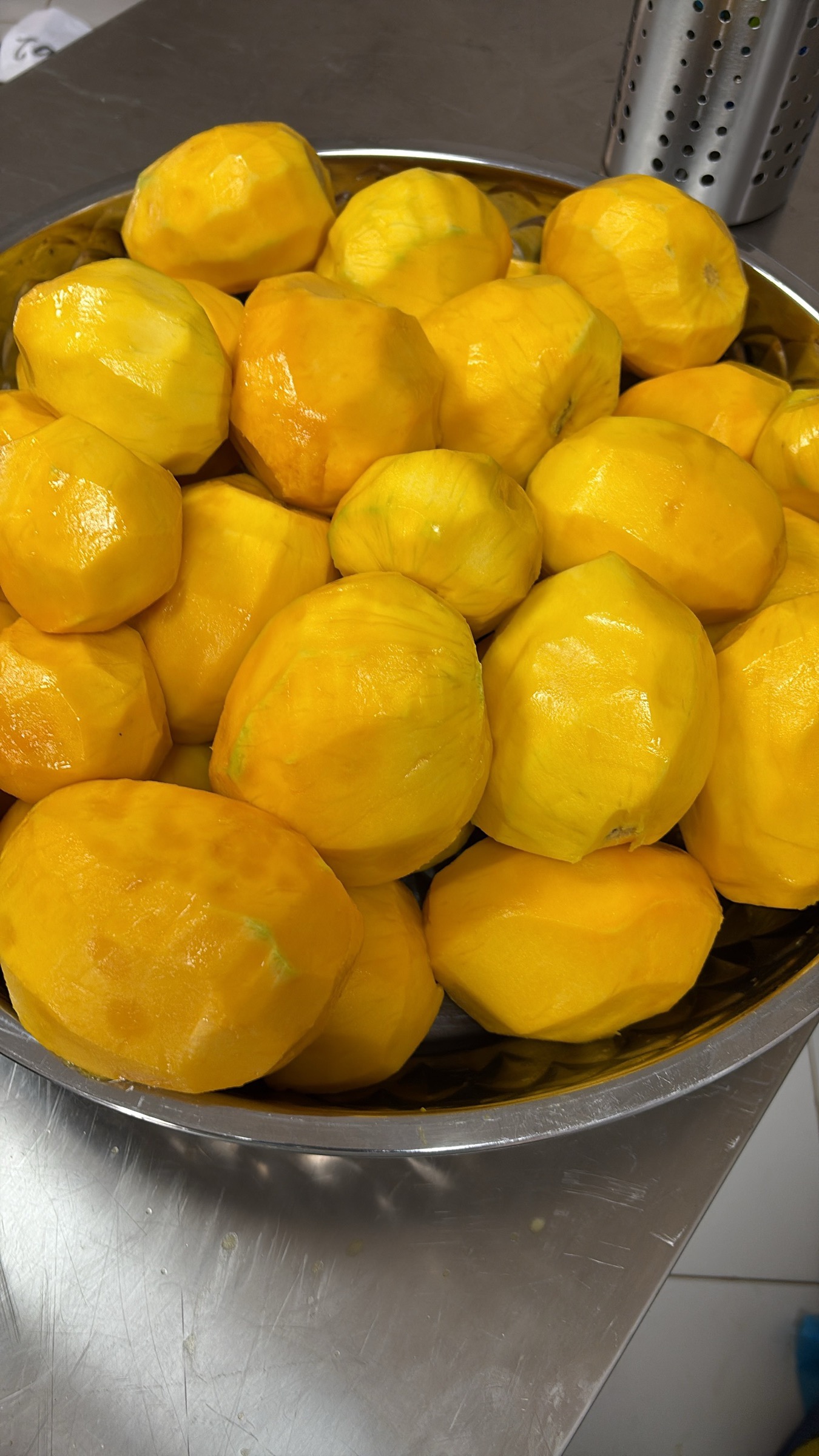
The peeled mangoes are cut and then blended.
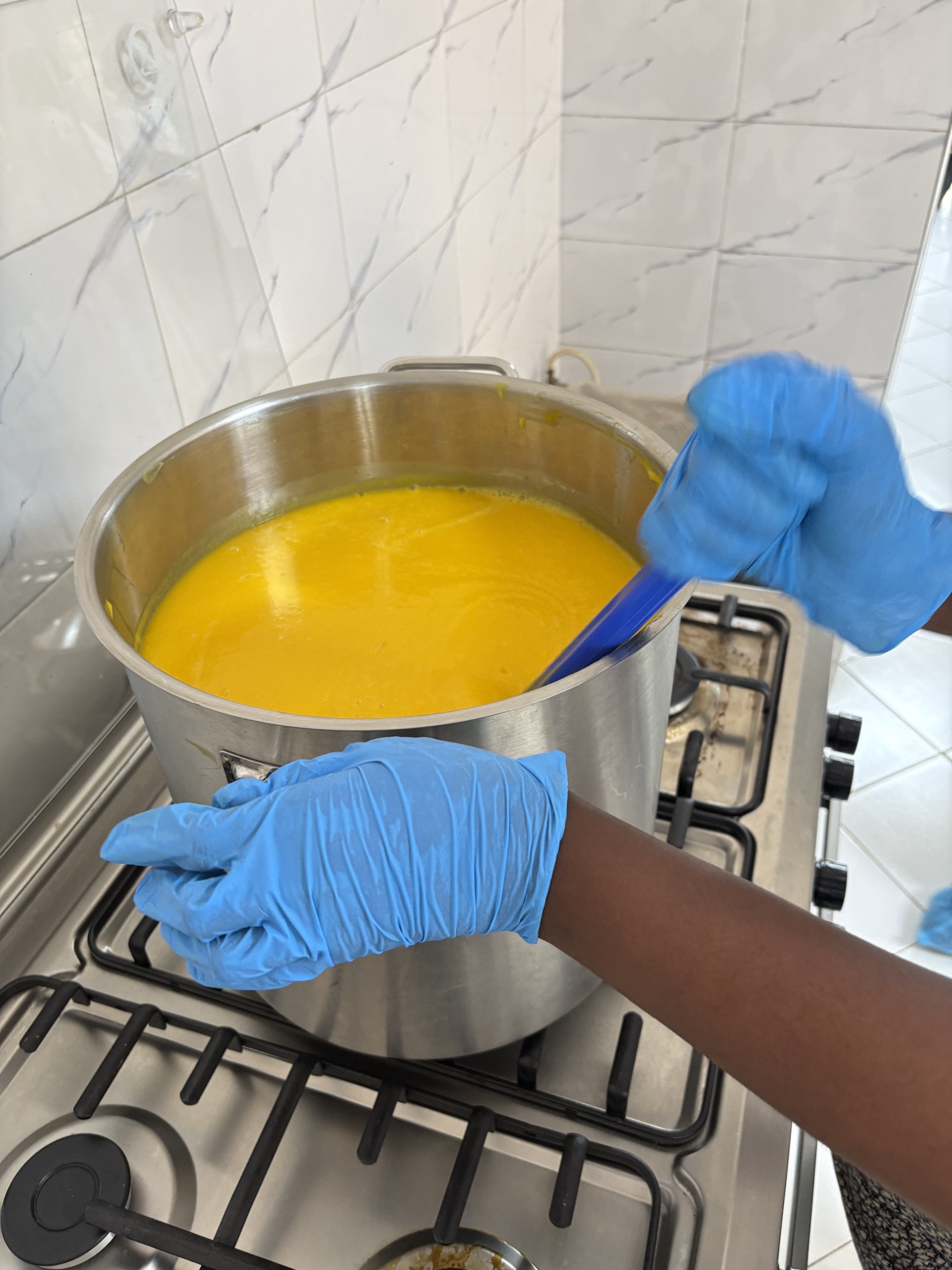
The mango paste is heated for a first pasteurisation.
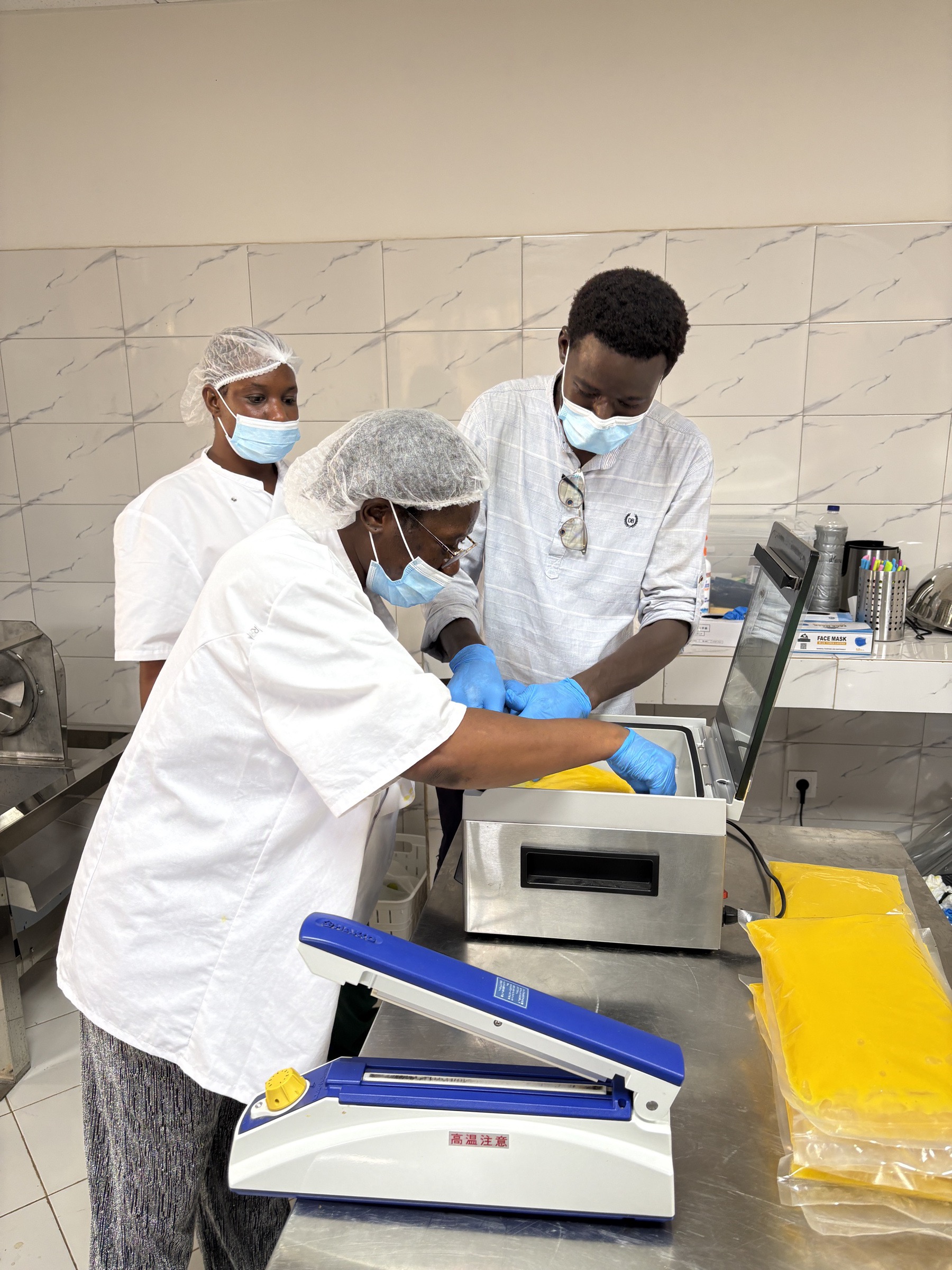
The purée is stored in vacuum packs. The vacuum machine and the plastic bags come from Japan.
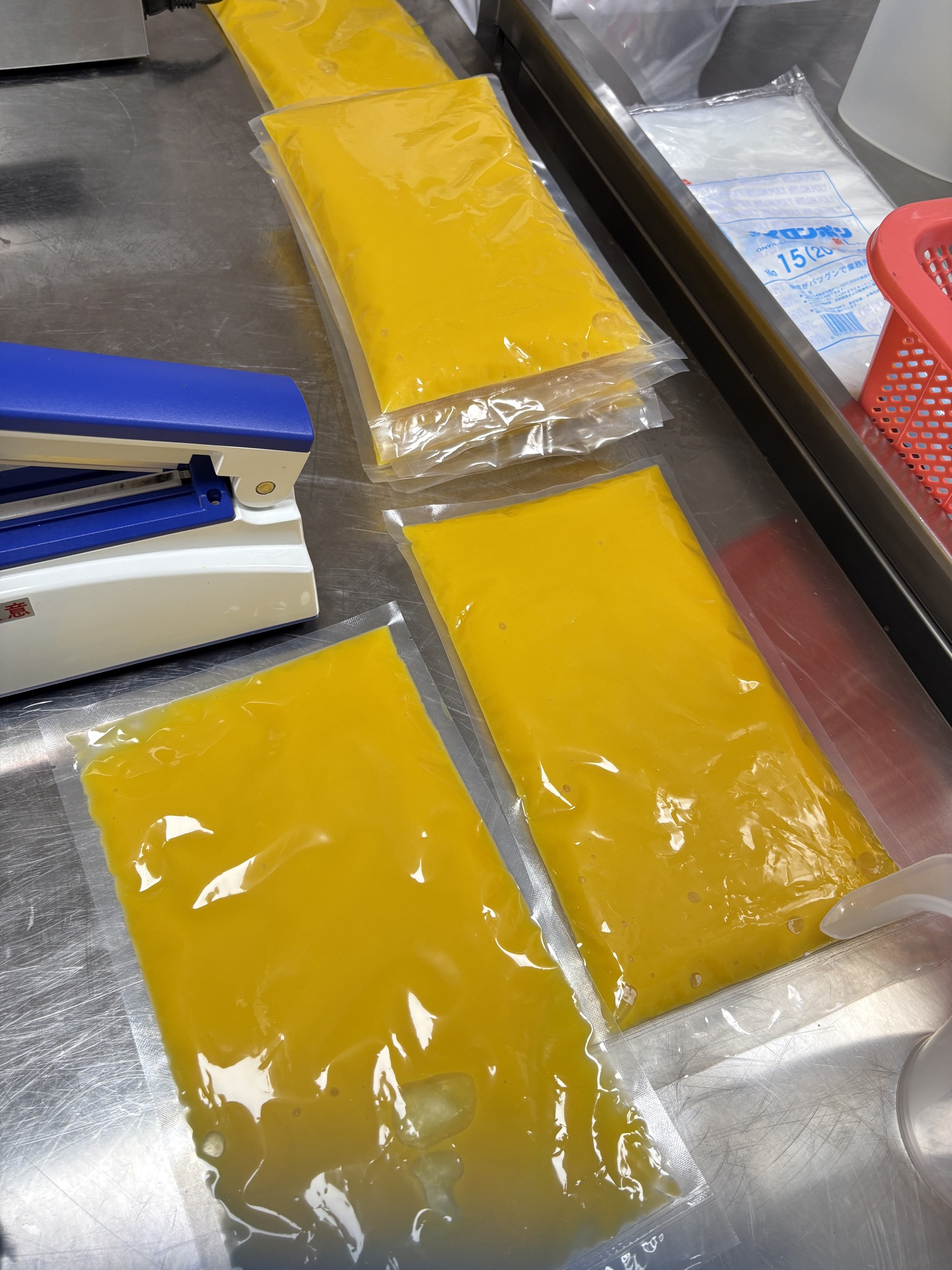
Each bag is marked with its lot number. The bags are then heated to 90 °C in a pot for a second pasteurisation.
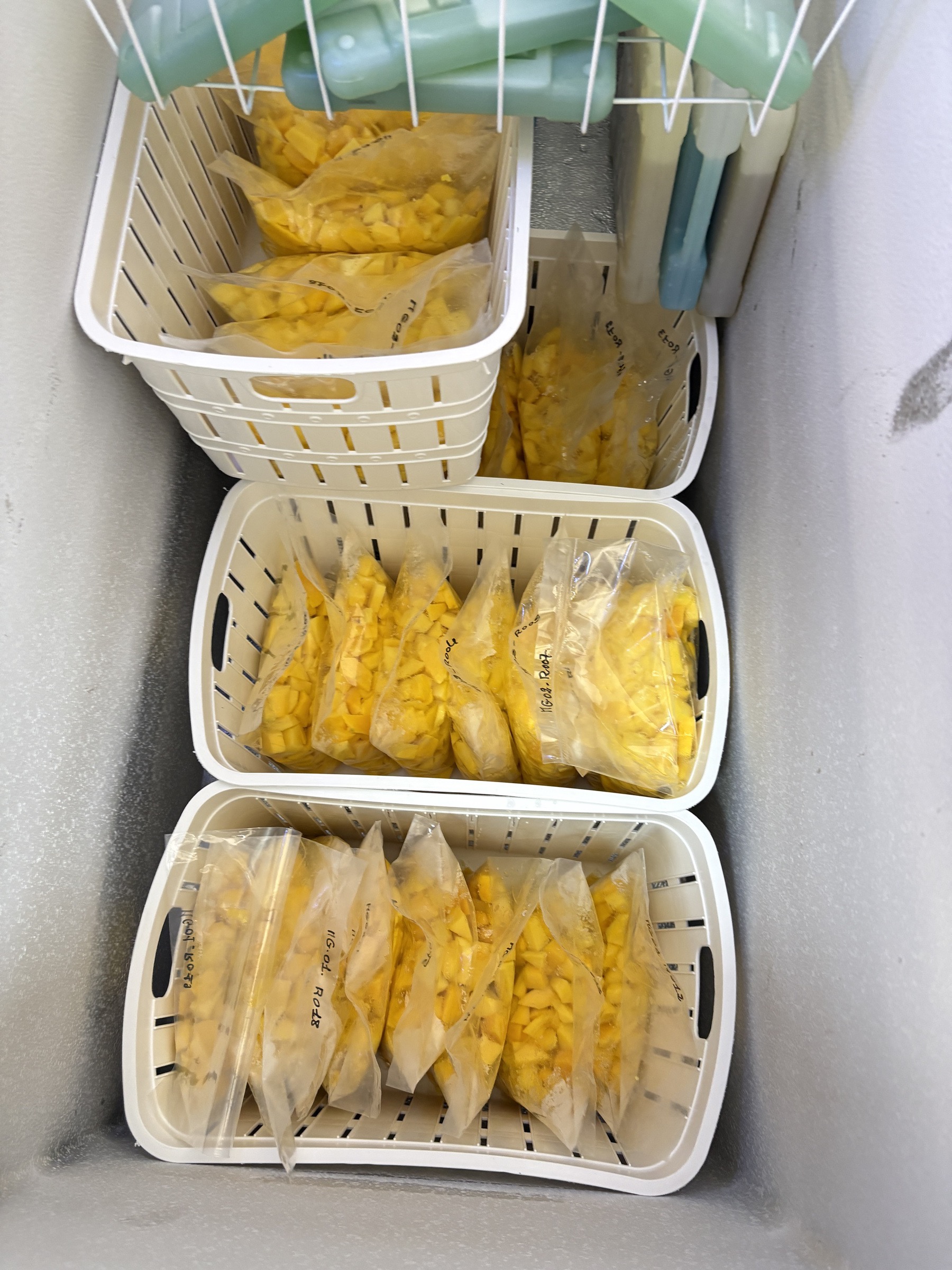
Some of the cut mangoes are frozen for a while. They will be processed into purée after the harvest season.
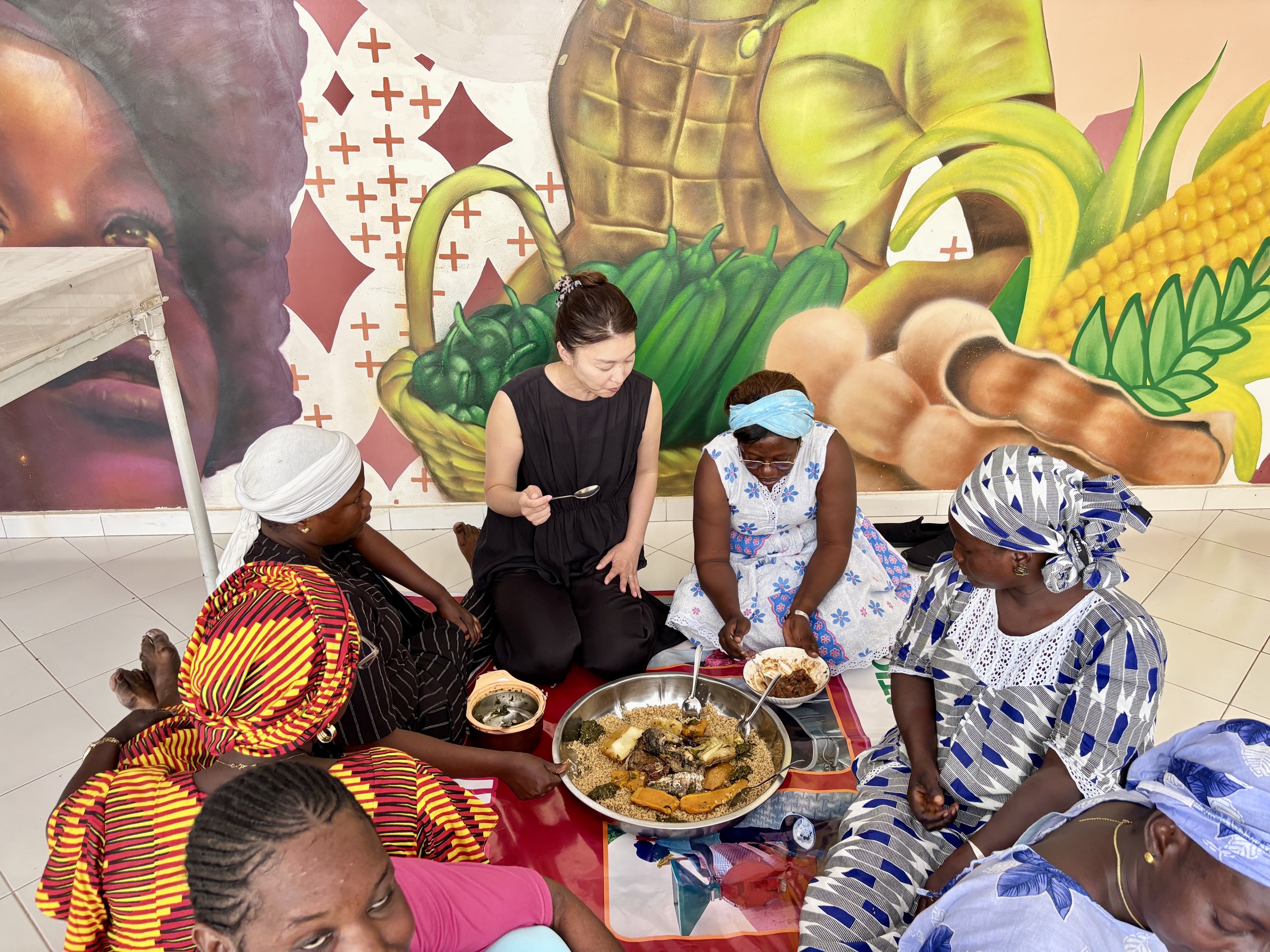
Between steps, the team shared lunch with the members of the group: thieboudienne, Senegal’s rice and fish dish.
4. The facilities
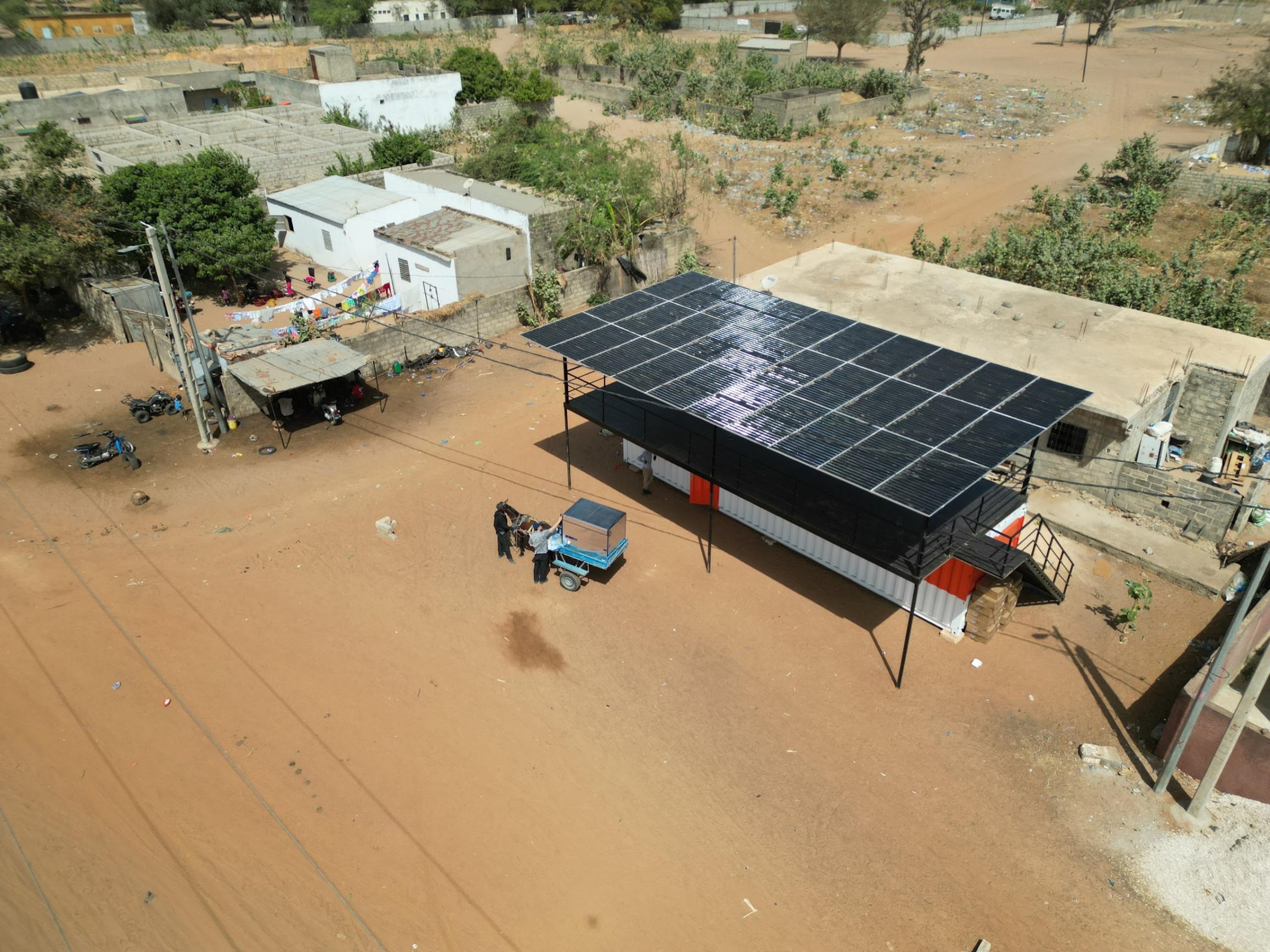
Site A is a solar cold room with a digital KIOSK. It contains a kitchen and a refrigerated space.
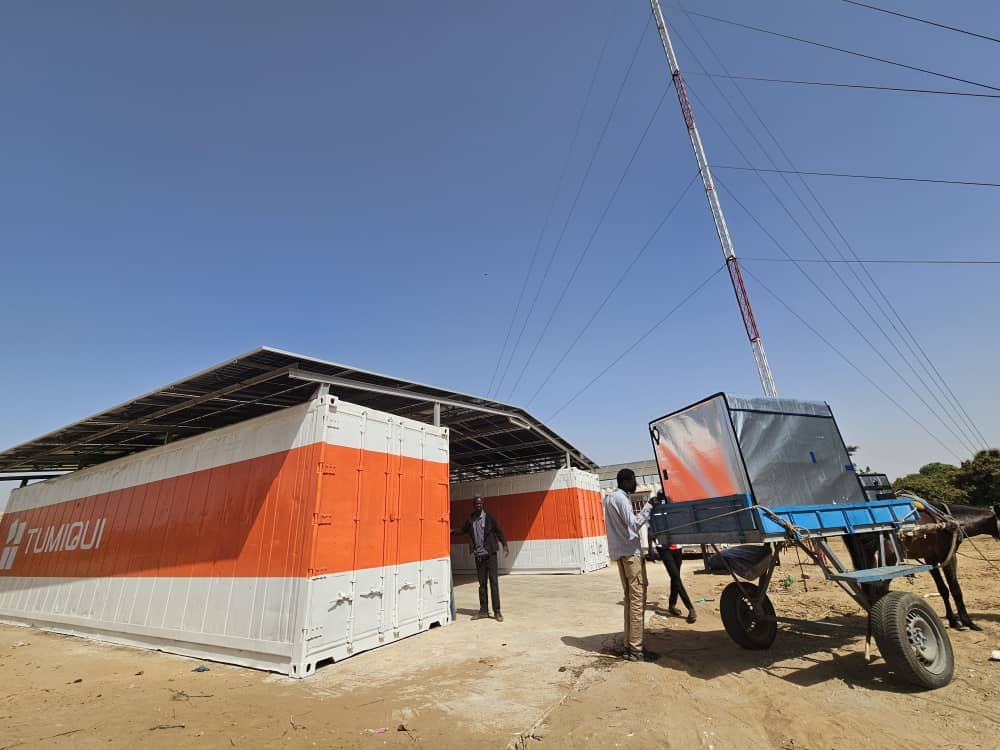
Site B is a larger facility that can also freeze produce. A more efficient freezing unit that uses less power in the African heat is being developed.
Both sites were built under the Global South subsidy programme of Japan’s Ministry of Economy, Trade and Industry. Mango processing combines these solar cold and freezing facilities with the women’s group’s workshop.