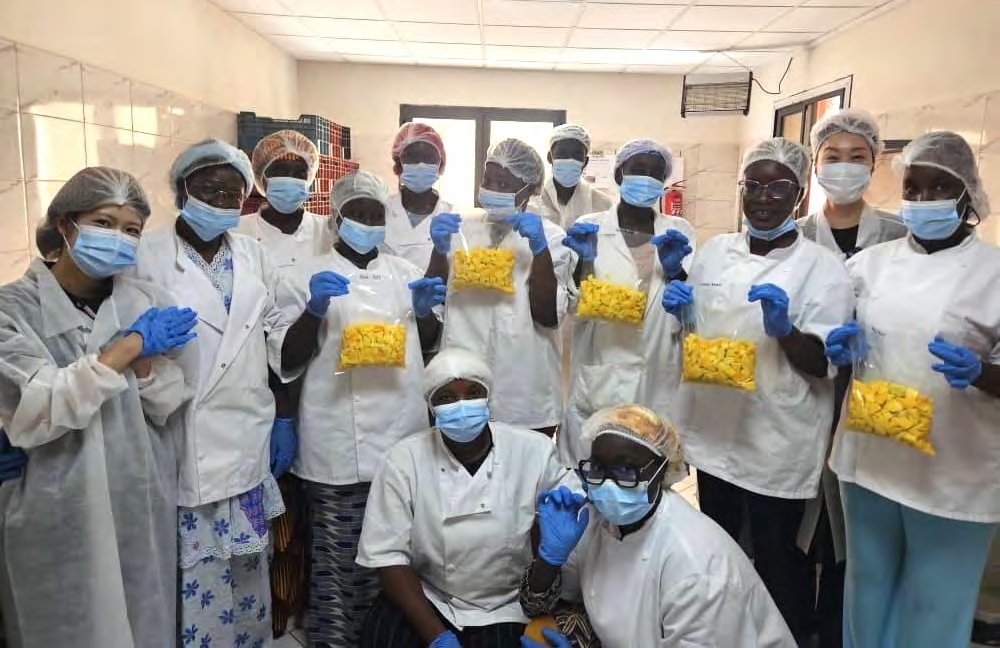
In Sandiara, Senegal, SUCRECUBE Japon processes mangoes with the local women’s group GIE DIAMI SANDIARA. The work is carried out under a pilot programme of Japan’s Ministry of Agriculture, Forestry and Fisheries (MAFF). The group carries out the day-to-day production and quality control. The company provides the equipment and the hygiene methods. Processing takes place at the group’s workshop. Chilling and freezing are done at the company’s solar cold storage sites in Sandiara. The products are being promoted in Japan and France, and sample shipments to Japan have begun.
Processing steps
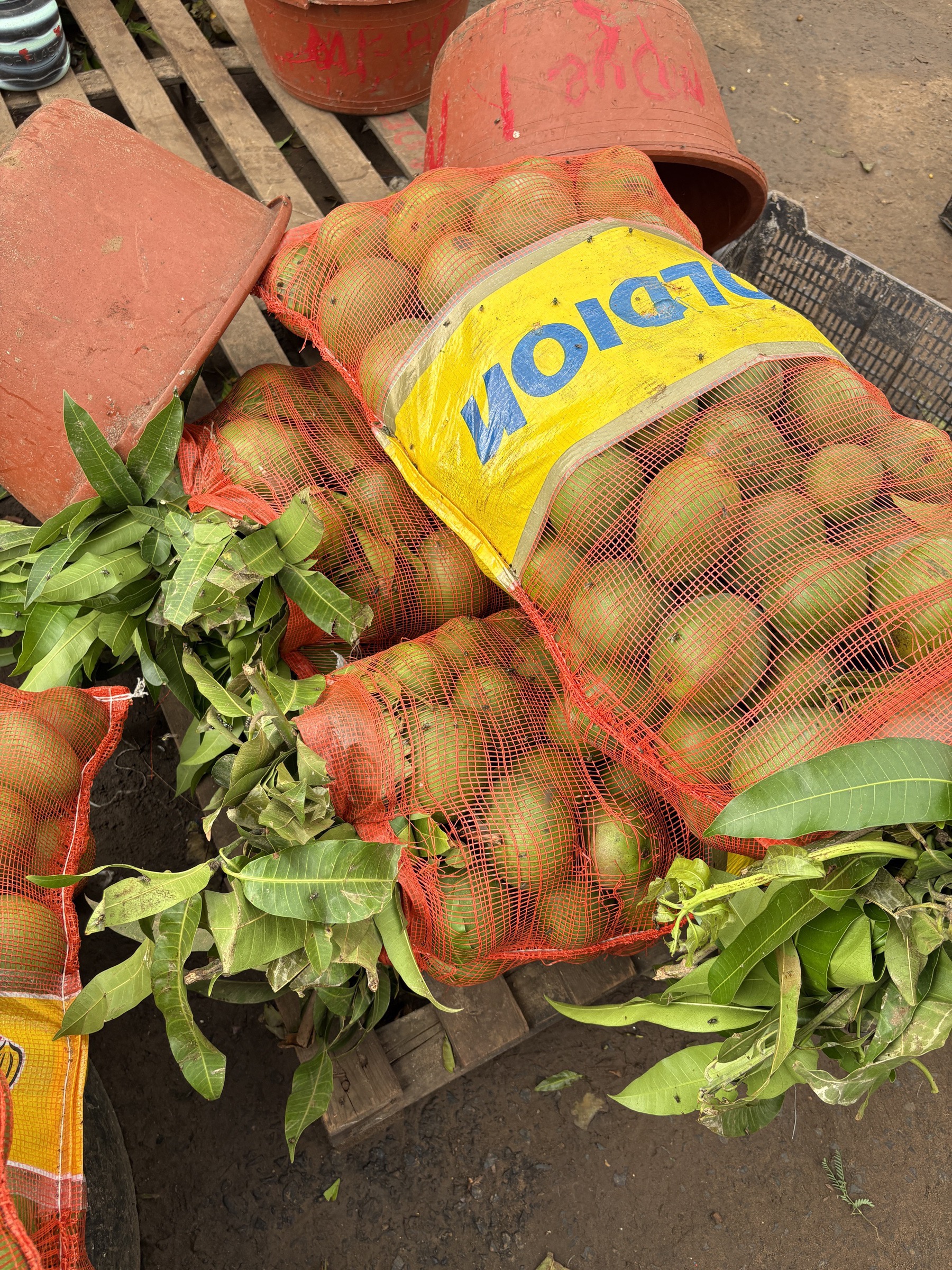
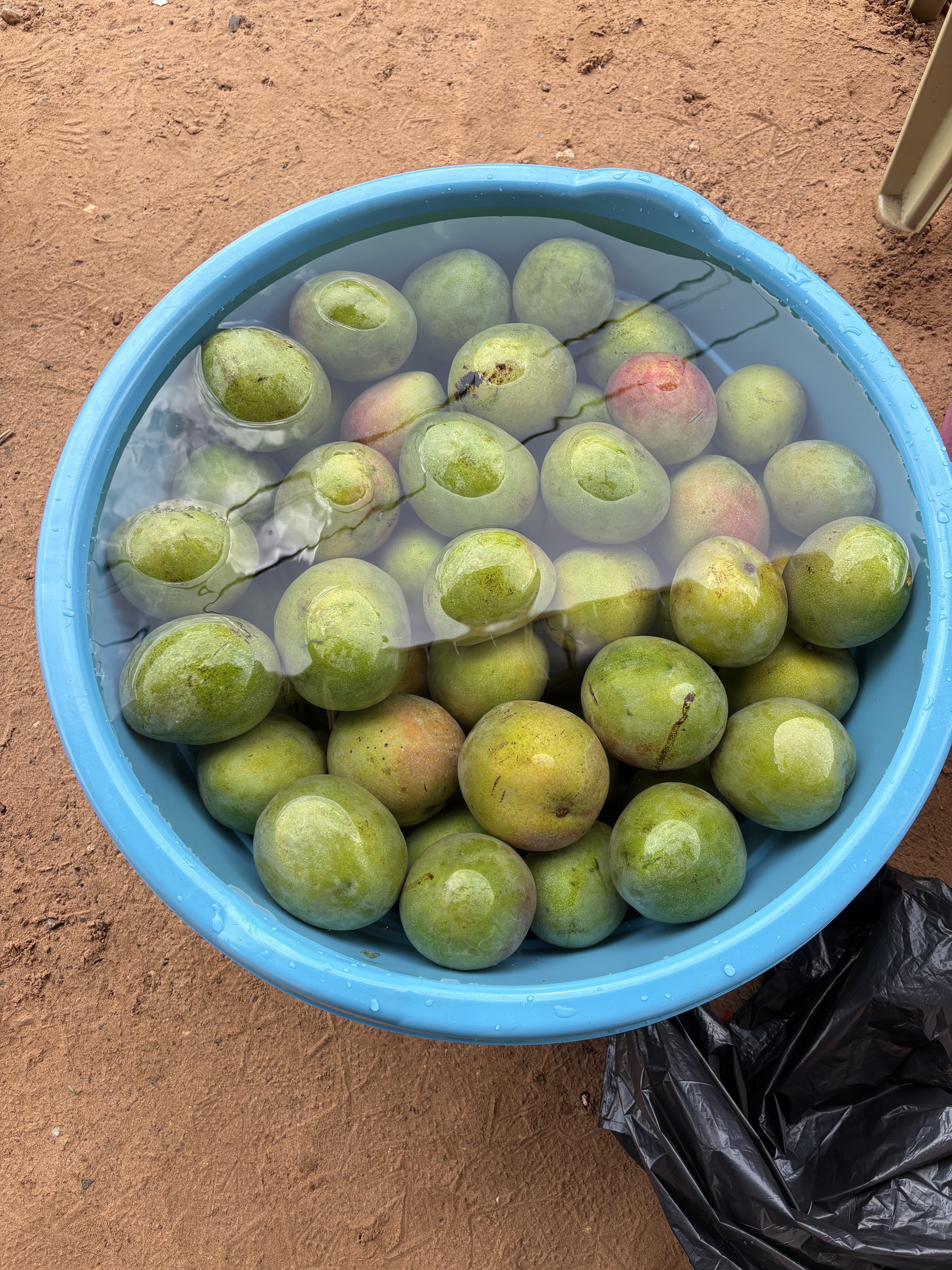
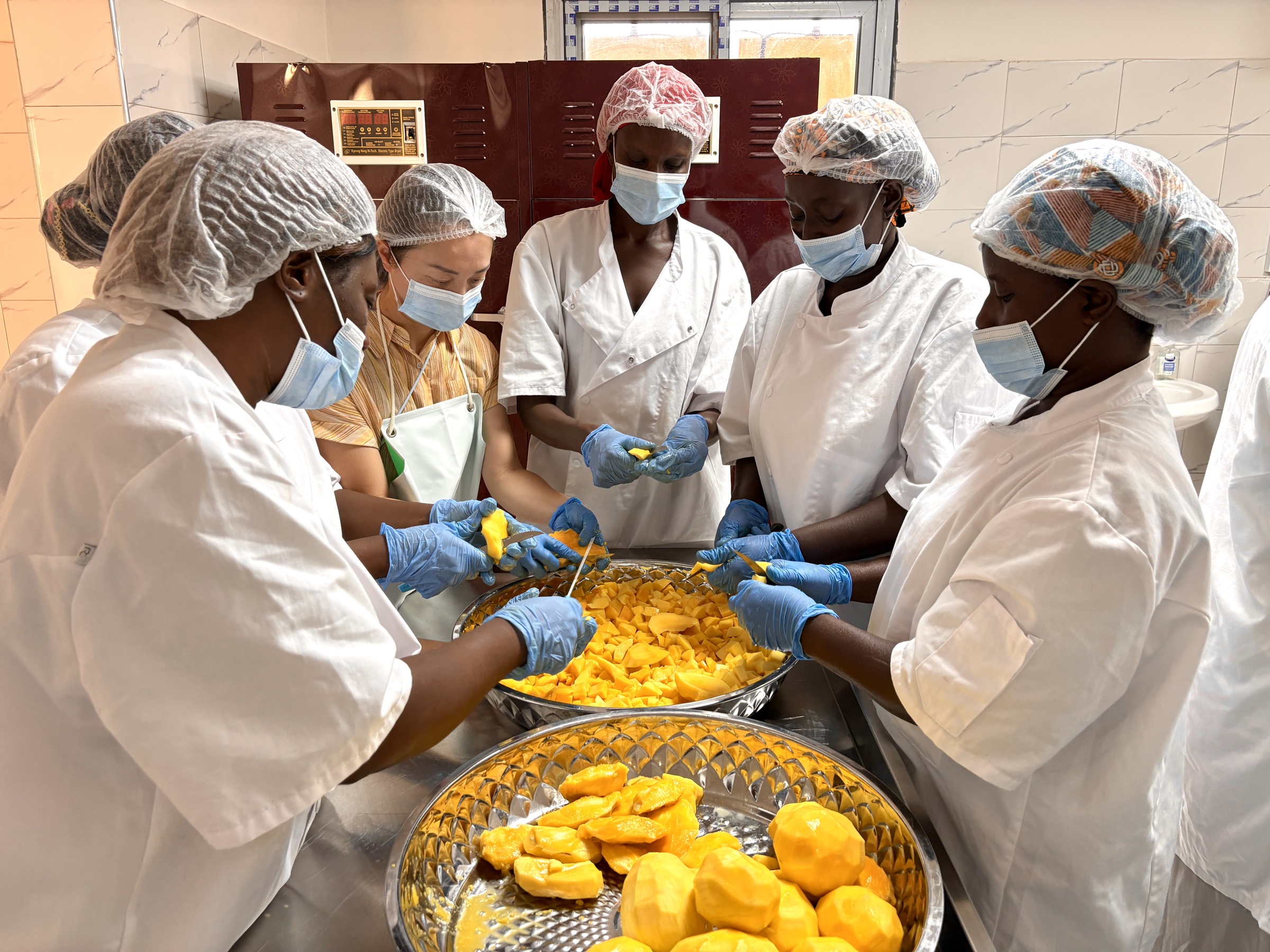
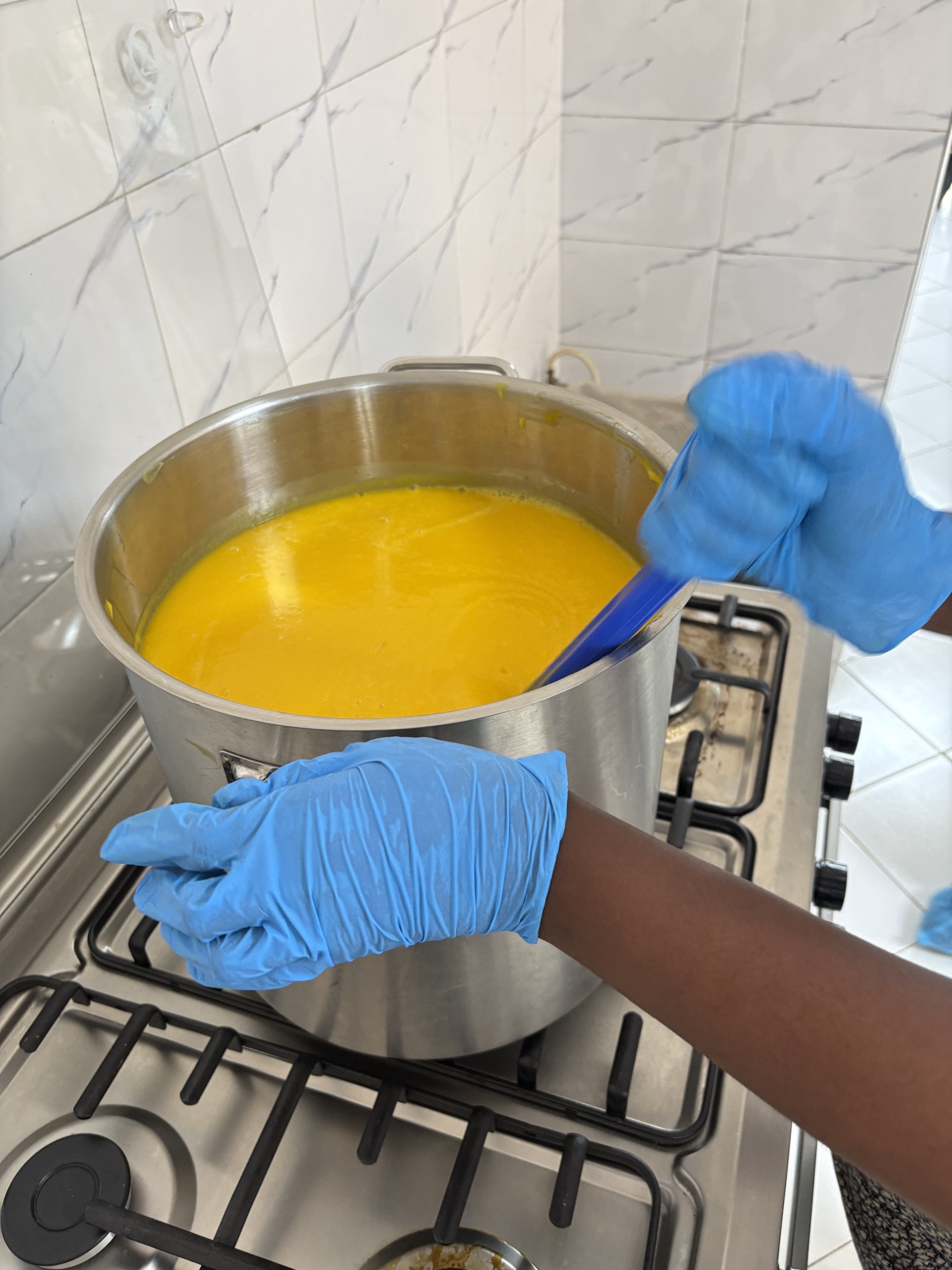
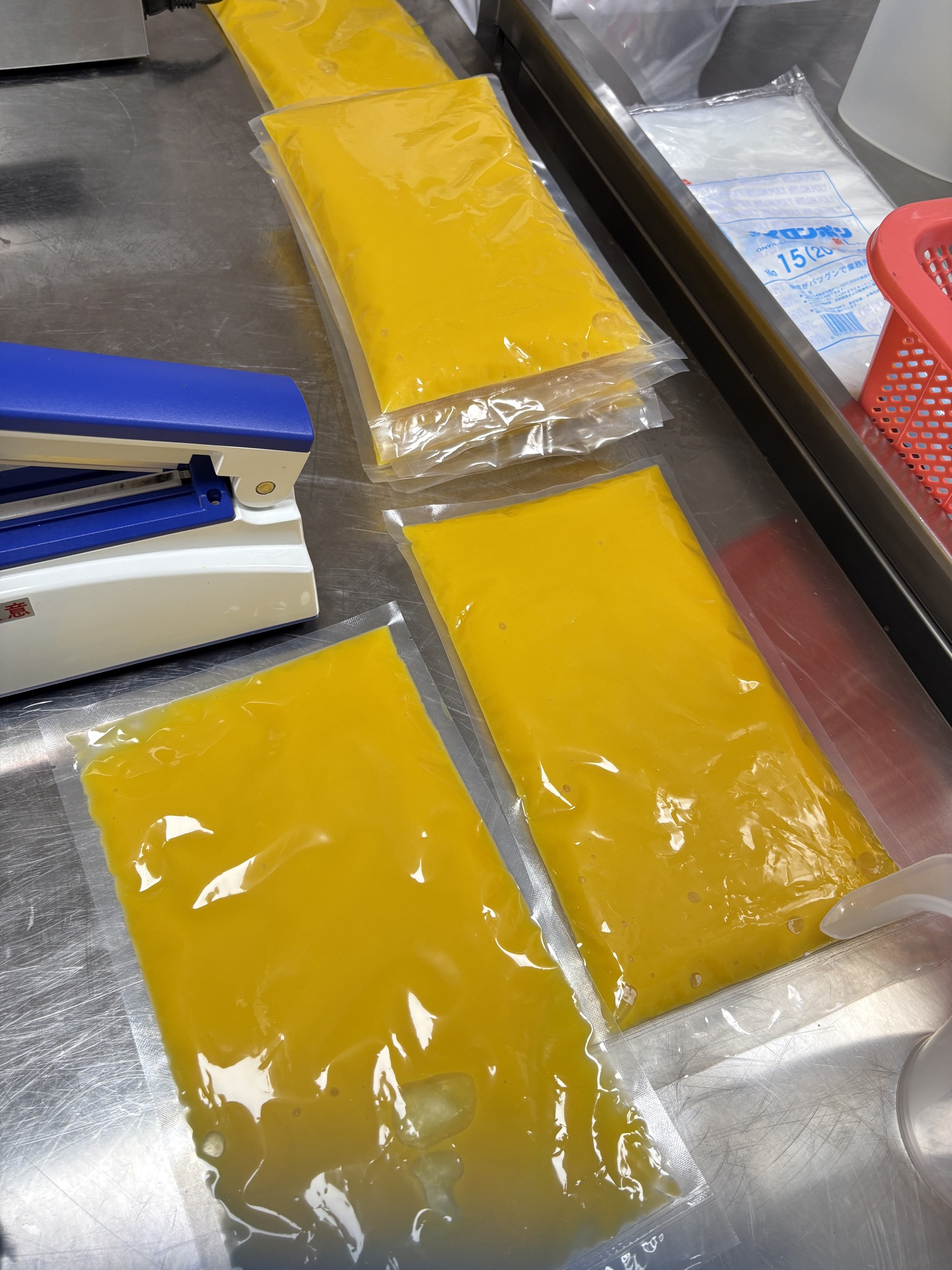
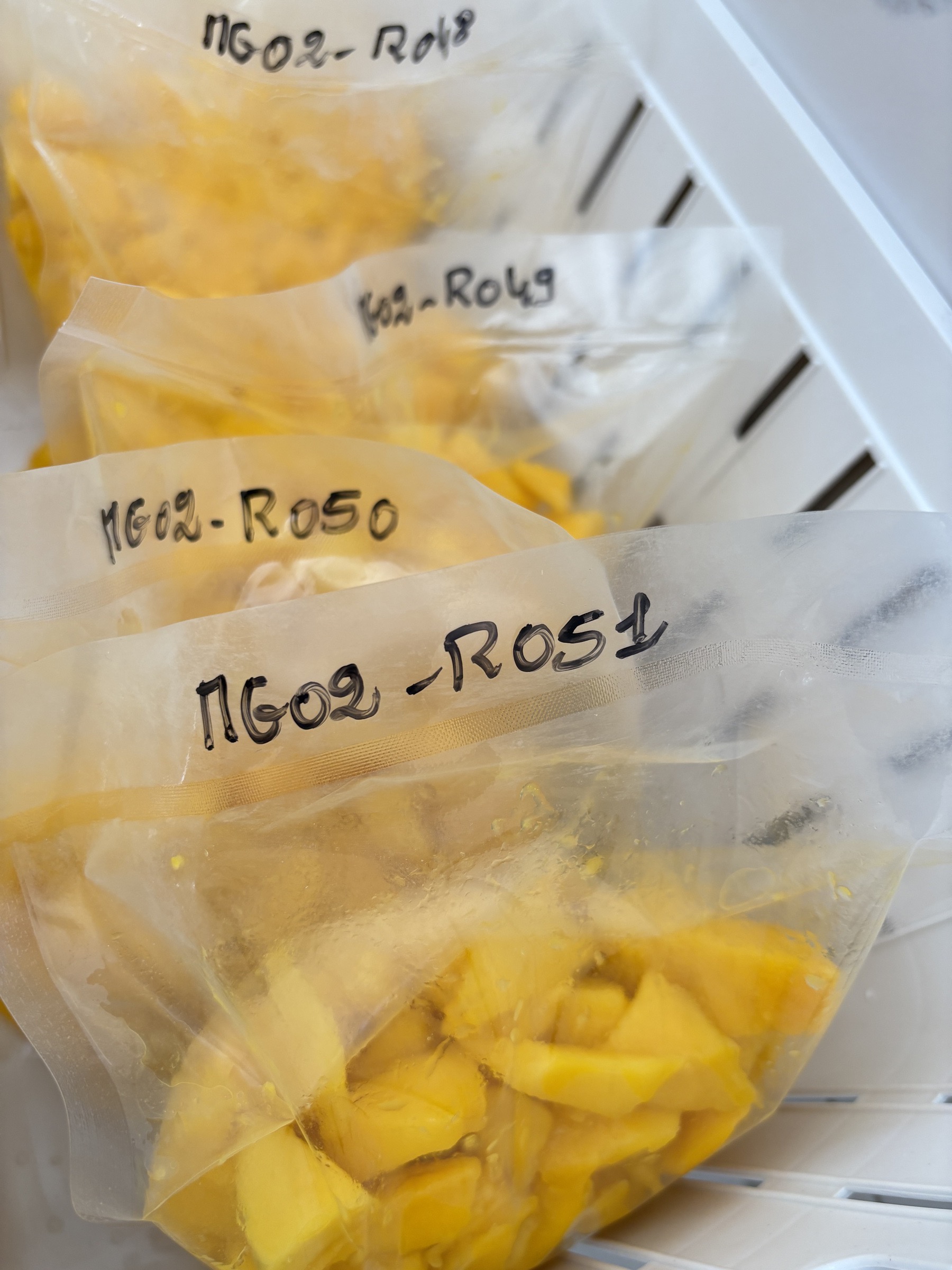
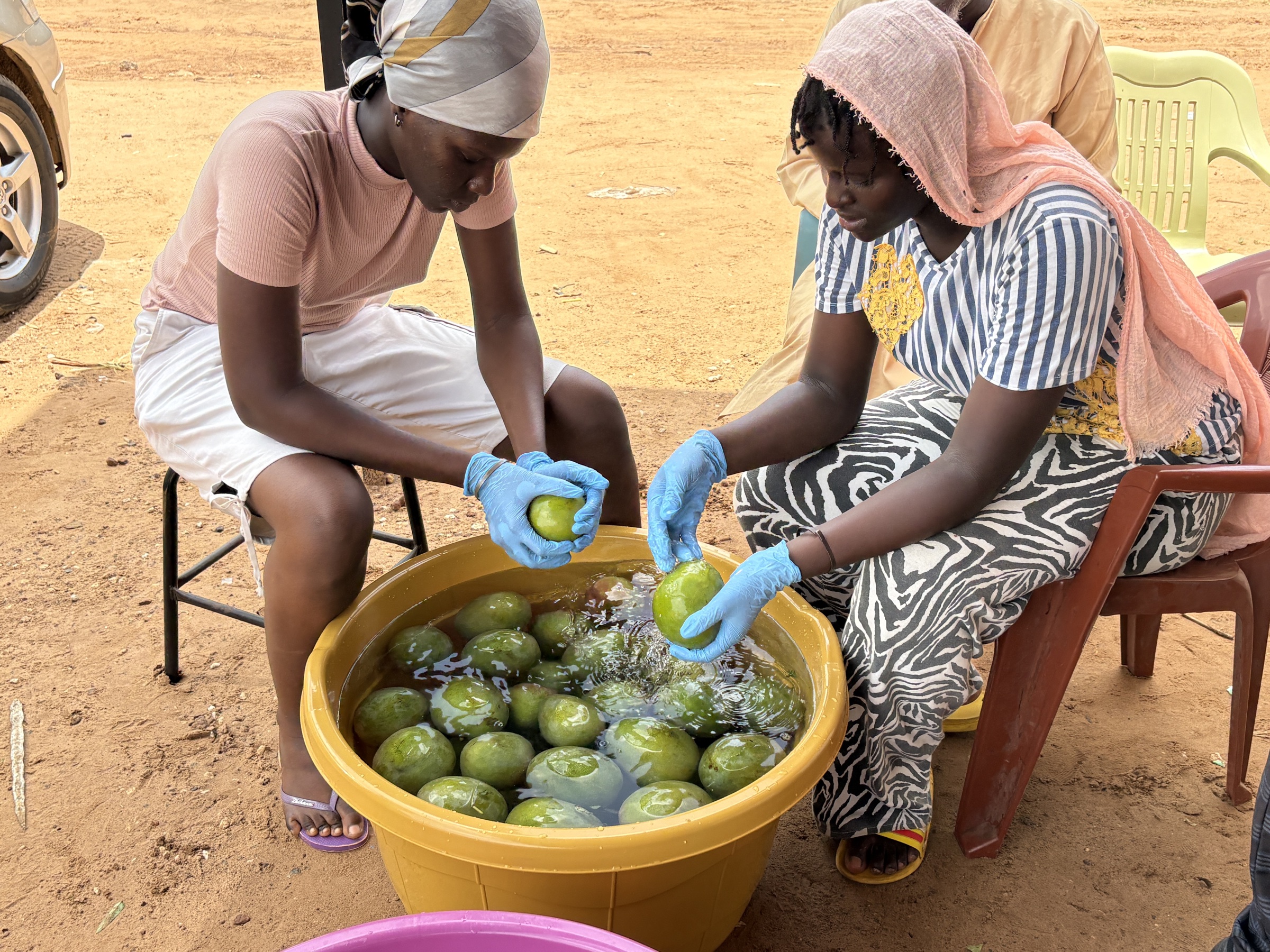
Mangoes arrive from the market. They are washed, peeled and cut, then heated to make them safe. The purée is cooled, filled into pouches and vacuum sealed. Each pouch is given a lot number and stored frozen. Heat treatment is done in two stages, first on the flesh and then on the sealed pouch. The procedure was set with Okipota, a mango dessert specialist in Okinawa (Royal Entertainment Co., Ltd.).
Hygiene
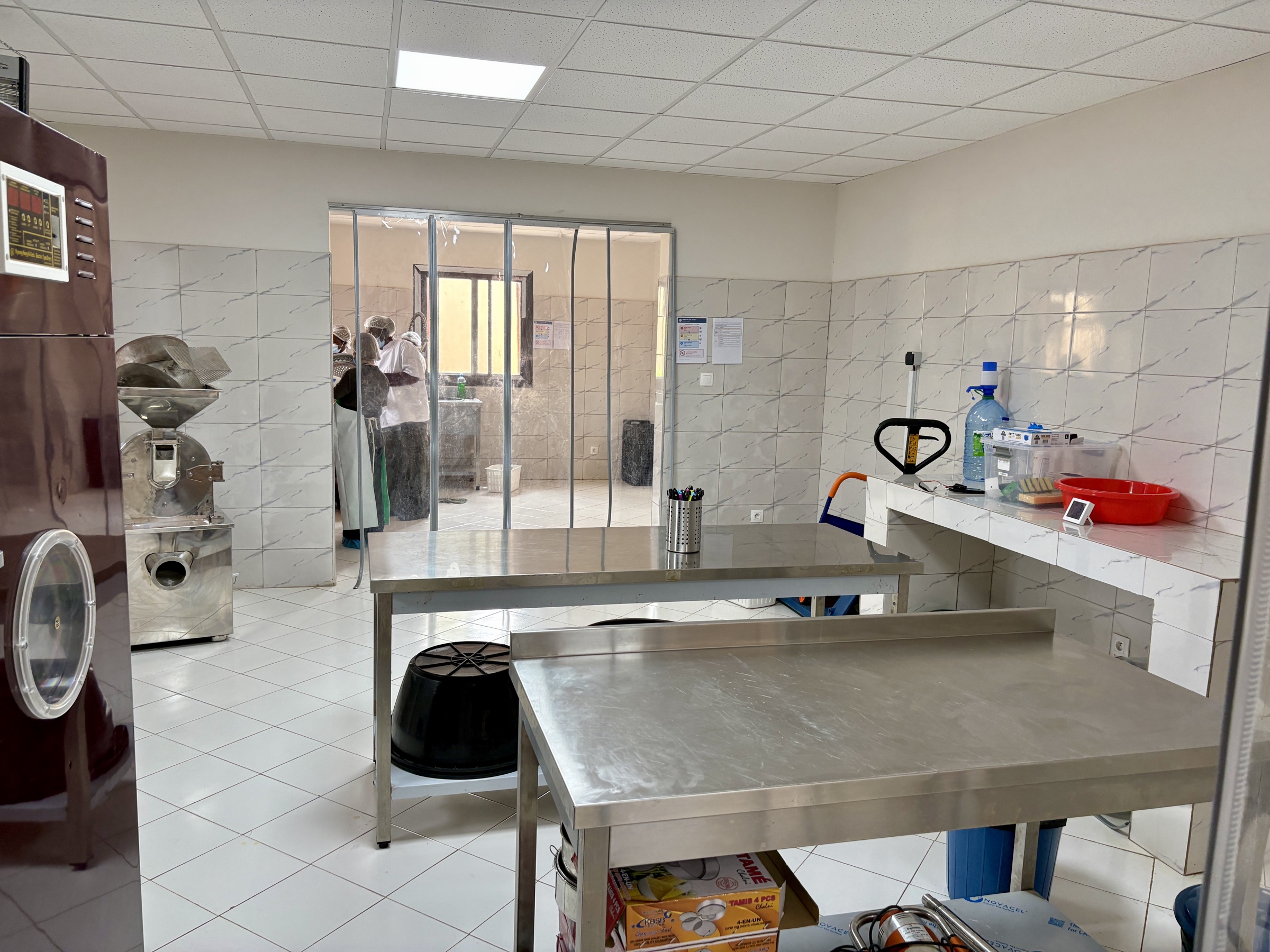
The workshop is laid out as a one-way flow, from the fruit entrance to the product exit. Raw material and finished product never cross. At each step the temperature, the time and the operator are recorded. The decision to ship is taken from the records of each batch. Critical control points are defined according to the HACCP method, and compliance with European Union hygiene requirements is being verified.
Why a women’s group
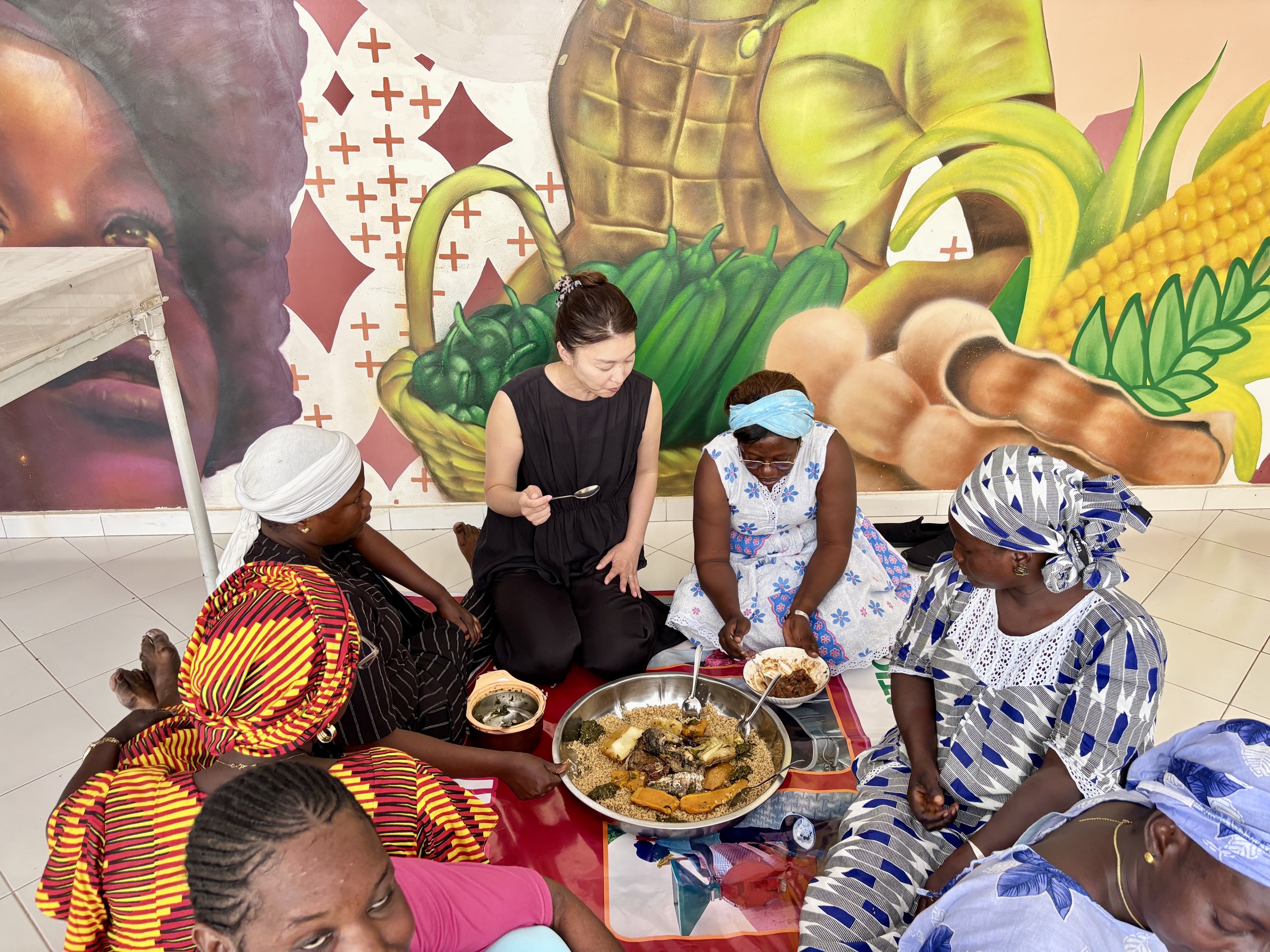
The company decided not to stop at installing machines. Processing takes place at the group’s premises, and training continues until its members can reproduce the steps and the hygiene rules on their own. Practice was placed before theory, because fresh fruit is only available in the harvest season.
The product: TUMIQUI Délice
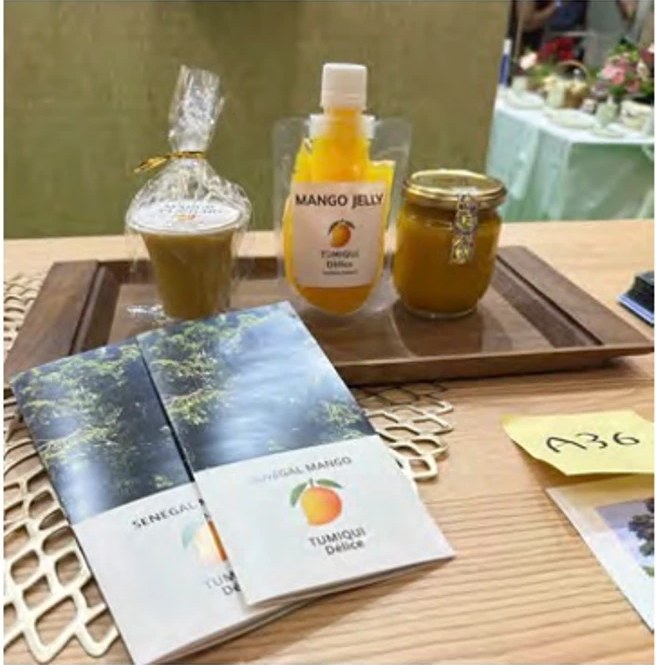
The purée is presented under the name TUMIQUI Délice to professionals in Japan and France for evaluation: food trading companies and restaurant operators in Japan, and pastry shops in France. Desserts based on the purée are being trial-produced with Okipota. The project is now at the stage of the first sample shipments to Japan.
Related pages
Mango processing and exportThe two Sandiara sitesImpact: processing and export