SUCRECUBE Japon wins a UNICEF Gambia contract: solar power and digital education for 122 schools
SUCRECUBE Japon has received an order from the United Nations Children’s Fund (UNICEF) and signed a contract to install the “TUMIQUI Smart Kit” in 122 schools in The Gambia. The project will equip schools in unelectrified areas and in areas prone to power cuts with a power supply that combines solar generation and battery storage. The aim is a stable learning environment and better education.
The contract recognises the Company’s track record of about 4 years in Senegal, where it has supplied power and digital tools to schools in unelectrified areas. The Company will now bring the same approach to The Gambia: school digitalisation with the TUMIQUI Smart Kit and televisions, and lesson support with educational video content.
Key benefits
1. Stable school operations with a secure power supply
The TUMIQUI Smart Kit combines solar generation and battery storage. It secures stable power even in unelectrified areas and in areas with frequent power cuts. Lessons and school operations no longer depend on the local power situation.
2. Digital education from the start
Televisions and other educational equipment can be connected to the kit. Lessons with digital teaching material can start as soon as the power supply is in place. This improves the quality of education and reduces the workload of teachers.
3. A sustainable model based on field pilots
The model draws on design and operational know-how from long-term pilots in Senegal. It covers operation after installation as well. It was selected after a rigorous review by an international organisation.
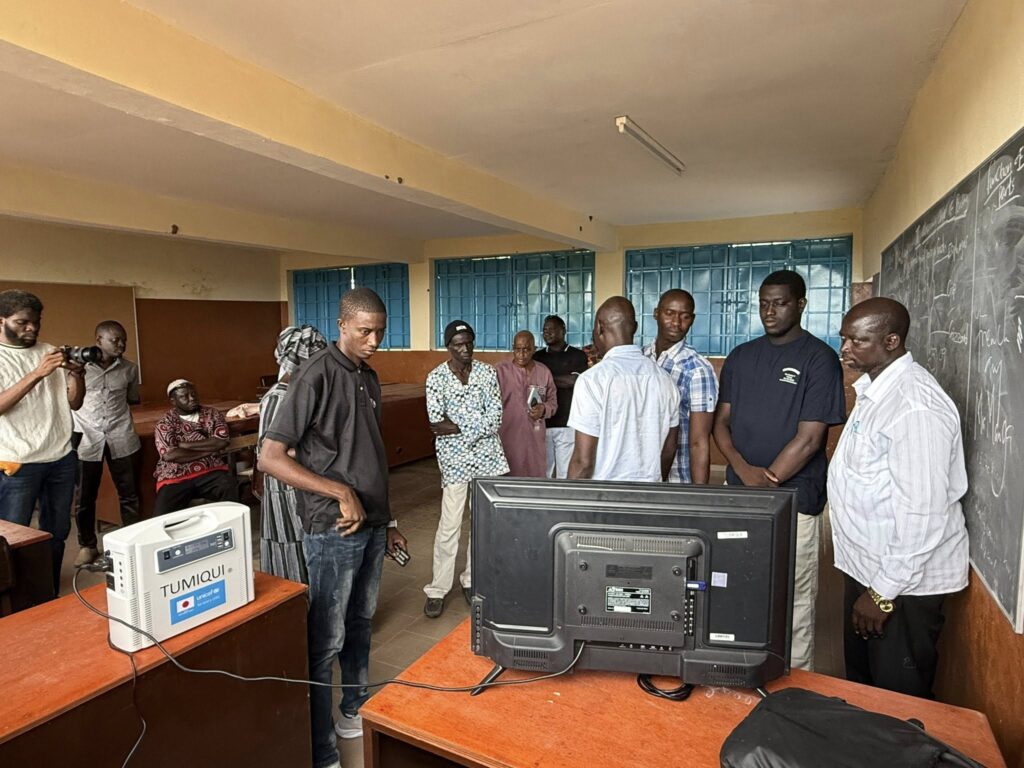
Briefing for teachers at a school
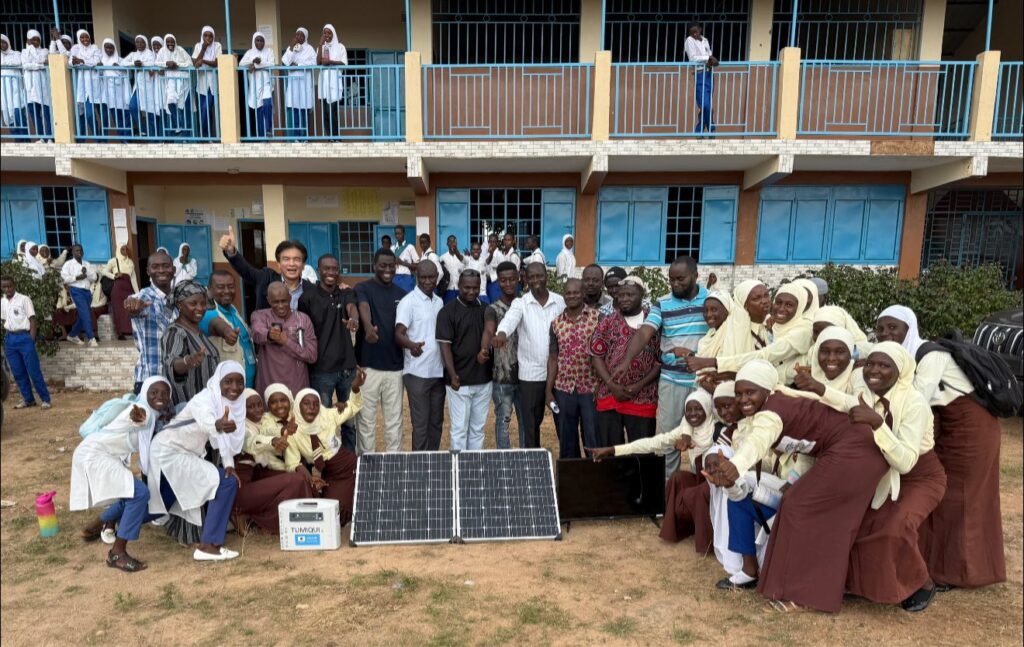
A lower secondary school in The Gambia
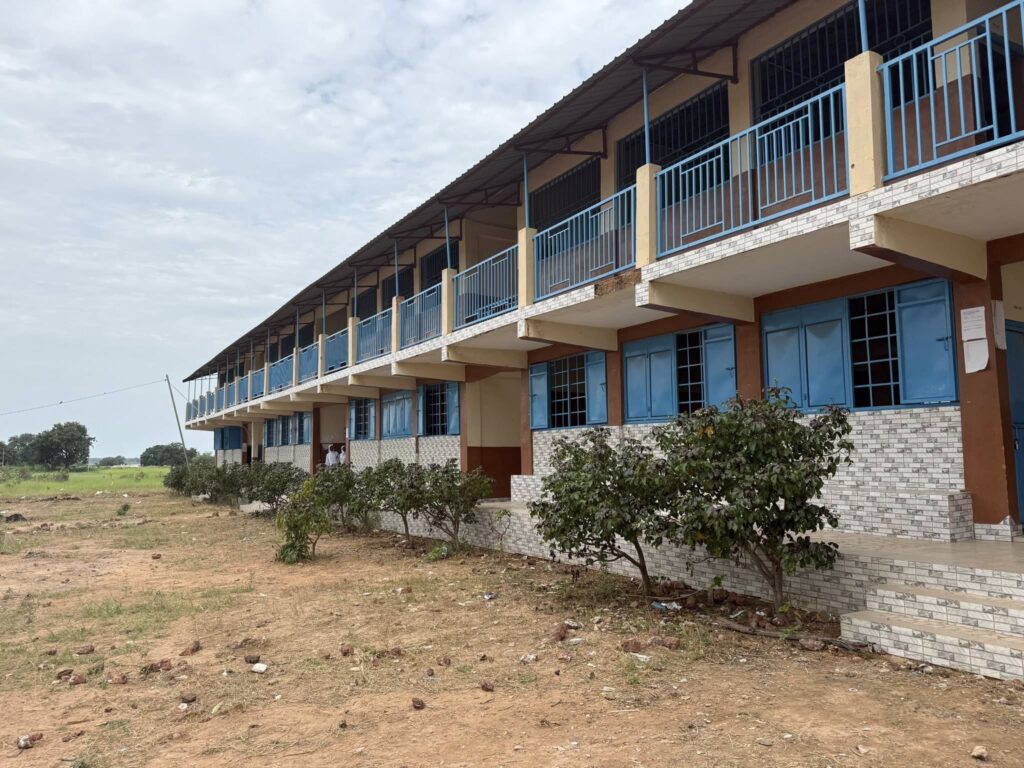
A two-storey school building
The contract follows a site visit and a review by UNICEF. SUCRECUBE Japon, the Japanese company, is the contracting party. Its Senegalese subsidiary is the partner in implementation. In UNICEF’s contracting process, the assessment covered not only equipment performance but also results in the field, the operating structure and the reliability of the company. The Company regards this contract as formal recognition of its work by an international organisation.
The Company will continue to build model cases in education and health in unelectrified areas. It will develop sustainable business that addresses social issues, through partnerships rooted in local communities.