SUCRECUBE Japon launches a solar-powered cold chain pilot project in Senegal
A co-creation model from Africa, using Japanese technology
SUCRECUBE Japon has been selected for the “FY2023 (Reiwa 5) Supplementary Budget Subsidy for Future-Oriented Co-Creation Projects with the Global South (Survey to Promote the Overseas Expansion of Infrastructure by Japanese Companies)” of the Ministry of Economy, Trade and Industry (METI).
The pilot project covers a solar-powered cold store, food processing and a digital KIOSK in the Republic of Senegal.
It addresses post-harvest loss, the loss of food after harvest, which is a local issue in Senegal. It uses Japanese environmental, logistics and IT technology. The Company positions it as a public-private co-creation model.
Key points
- Country: Republic of Senegal
- Programme: FY2023 (Reiwa 5) Supplementary Budget Subsidy for Future-Oriented Co-Creation Projects with the Global South
- Pilot content: solar power × cold storage × food processing × digital KIOSK
- Main objectives: reducing post-harvest loss and adding value to agricultural products
- Expected effects: local job creation, lower CO₂ emissions, a sustainable business model
Background
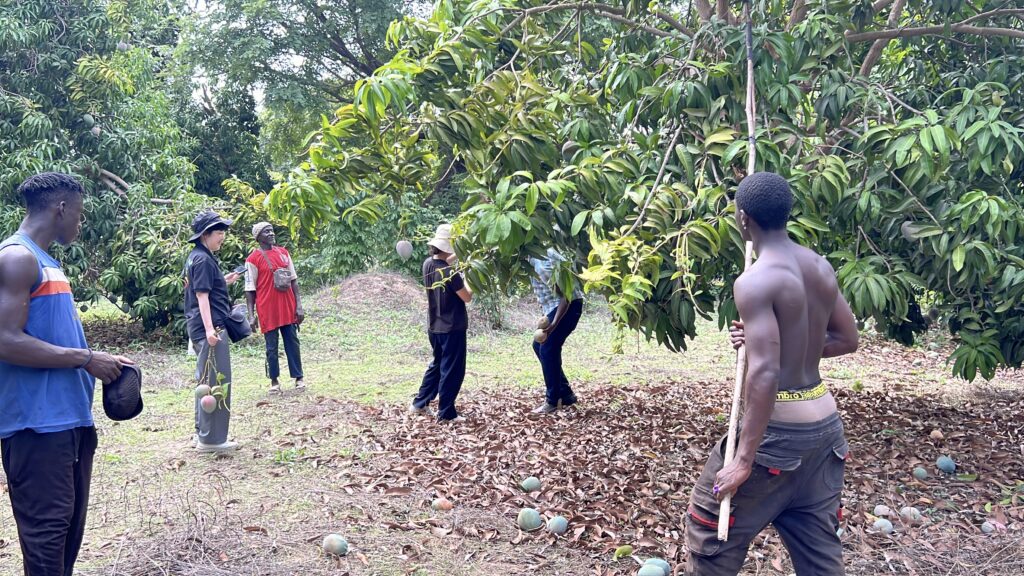
In West Africa, including Senegal, many areas have no electricity or face chronic power shortages. Agricultural products cannot be properly cooled, stored or processed. Large quantities are discarded after harvest. This post-harvest loss is a serious issue.
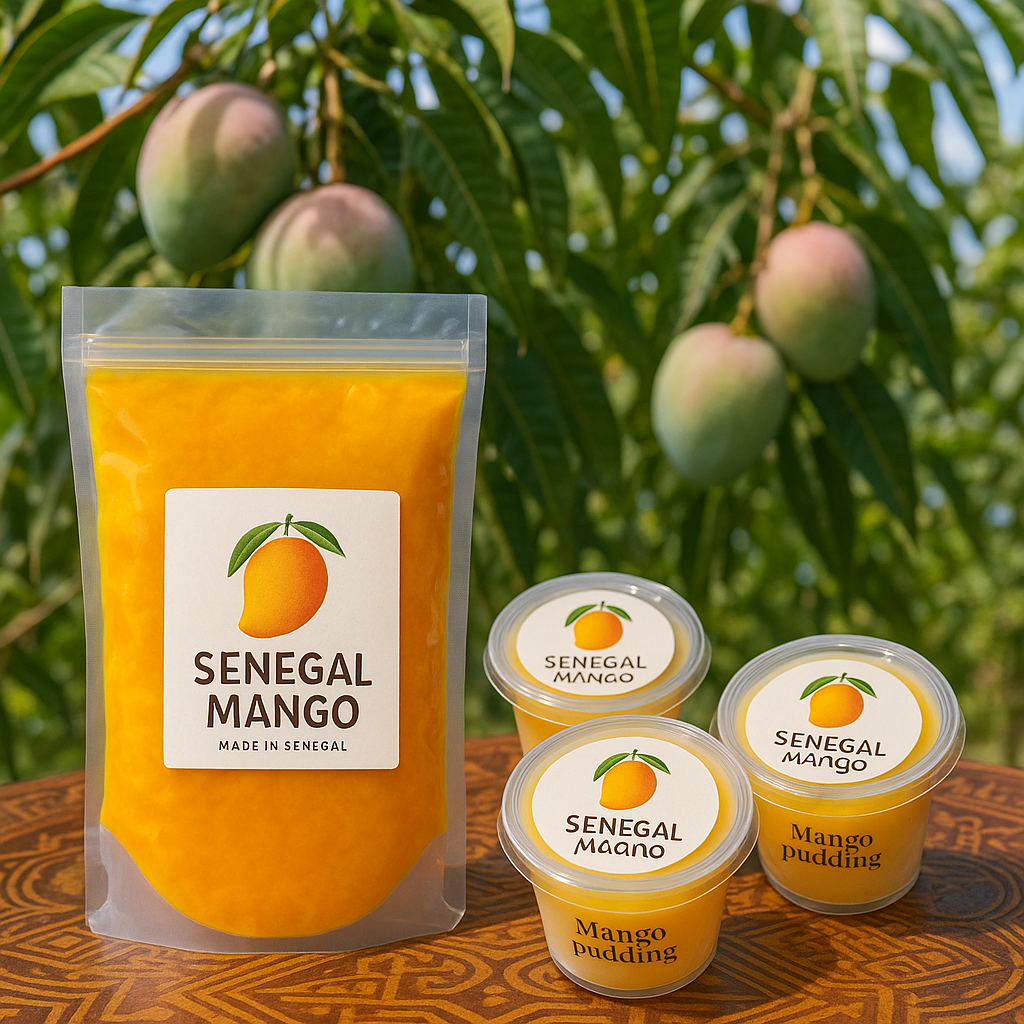
When agricultural products are properly cooled and processed, they can become high value-added food products for domestic and international markets. This is expected to support the local economy and create jobs.
Outline of the pilot project
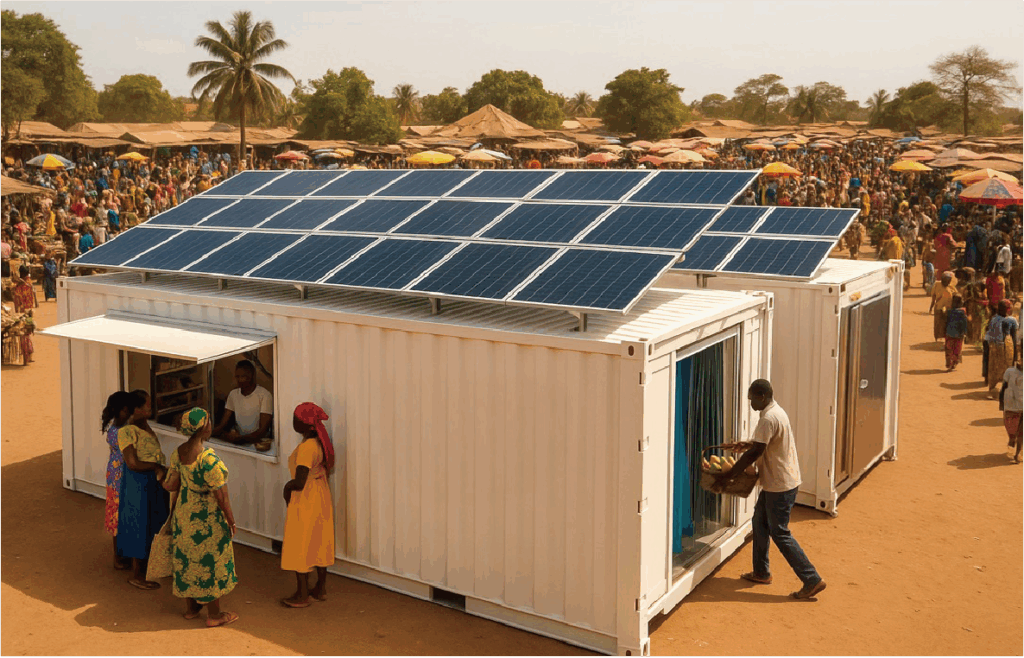
The pilot uses an off-grid power supply from solar generation. It introduces a container-based system that combines energy-saving cold storage equipment, primary processing equipment for agricultural products and a digital KIOSK.
The aim is a single system that supports the cooling, processing and distribution of agricultural products. It seeks to reduce food loss, add value to agricultural products and create new local jobs.
The Company’s work to date and outlook
In Senegal, the Company has carried out electrification and digitalisation projects using solar power, mainly for health and education facilities.
This project builds on that track record. It is a new initiative in agriculture and food.
Using the knowledge gained from the pilot, the Company will work to establish a sustainable public-private business model. It will also study expansion within Senegal and to neighbouring countries.
International positioning and next steps
The pilot project is scheduled to be presented at TICAD 9 (the 9th Tokyo International Conference on African Development) in August 2025. It will be presented as an example of public-private partnership between Japan and Africa.
■ Schedule
• June 2025: pilot starts at 1 site in Senegal
• August 2025: presentation at TICAD 9 (the 9th Tokyo International Conference on African Development)
• February 2026: scheduled end of the subsidy project
• From March 2026: expansion to neighbouring countries, in a phase led by the Company